Understanding IBS
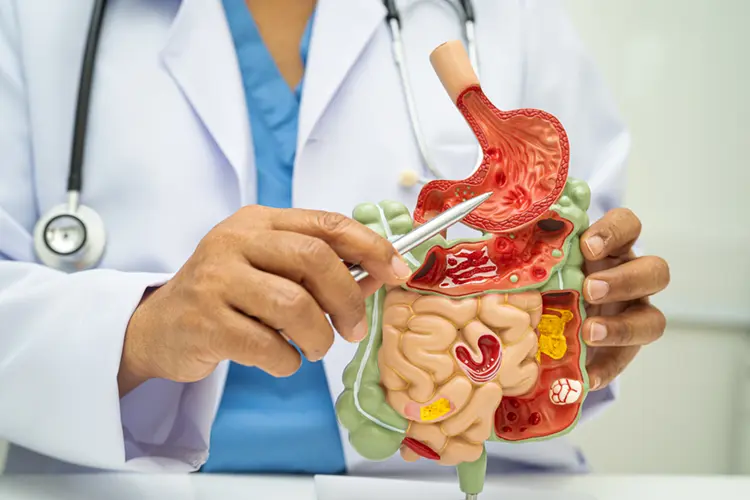
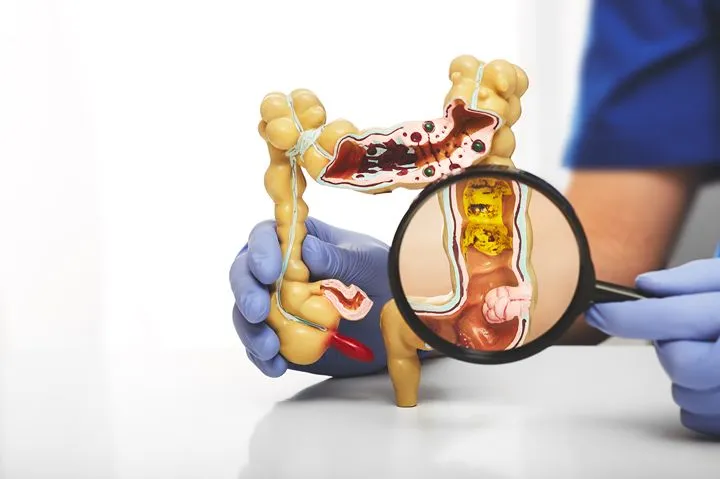
Every major IBS symptom explained — abdominal pain, bloating, diarrhoea, constipation, urgency and more — plus the four IBS subtypes and the red flag symptoms that always need a GP assessment.
Diet & FODMAP
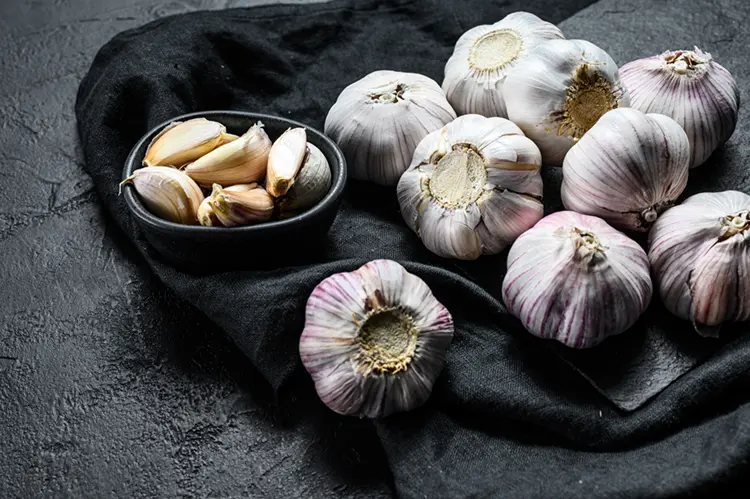
Garlic powder is worse than fresh garlic for IBS. Onion stock transfers fructans into the liquid. And wild garlic is still unconfirmed. Here's what's actually safe and what isn't.
Natural Remedies
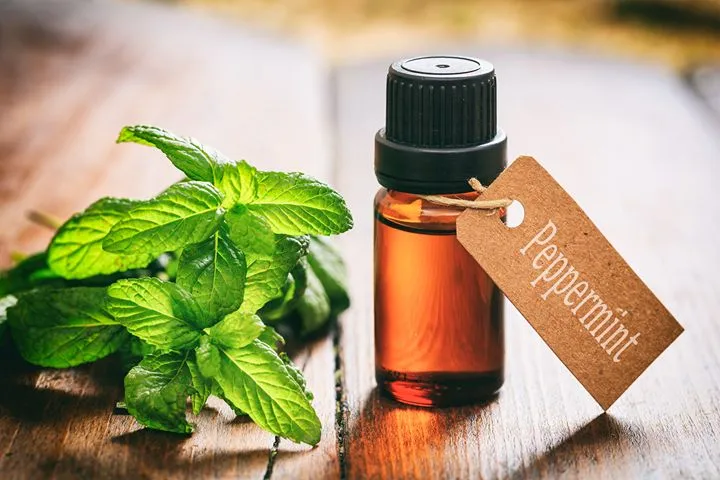
Enteric-coated peppermint oil has stronger clinical trial evidence than almost any other natural IBS remedy. Here is what the research shows, why enteric coating matters, and how much to take.
Gut Health
The keystone gut bacterium linked to gut barrier integrity, metabolic health, GLP-1 stimulation and cancer immunotherapy response — and what you can do to support it.
Understanding IBS
Why women with IBS are more likely to be dismissed, why diagnosis takes longer — and what to know before your next GP appointment.
Understanding IBS
Why most men with IBS never get diagnosed — and why the symptoms they're ignoring could matter more than they think.
Diet & FODMAP
Garlic is one of the highest-FODMAP foods — but garlic-infused oil and certain supplements may let you keep the flavour without the symptoms.
Management
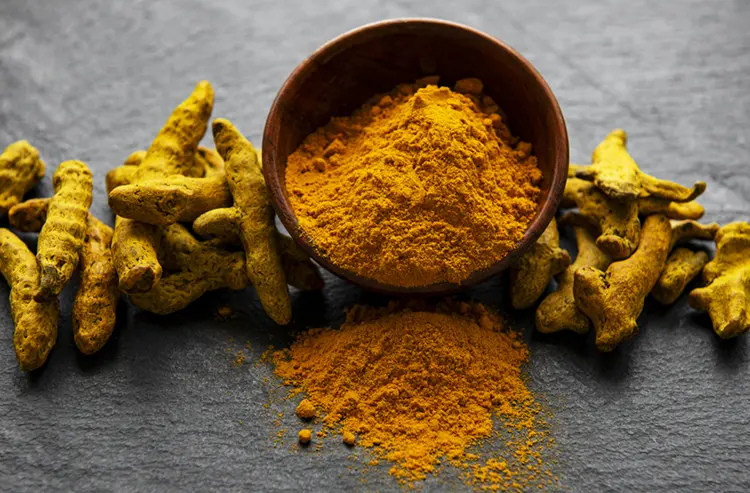
Turmeric's active compound curcumin has anti-inflammatory and gut-protective properties — but why black pepper and fat are essential for it to actually work.
Diet & Nutrition
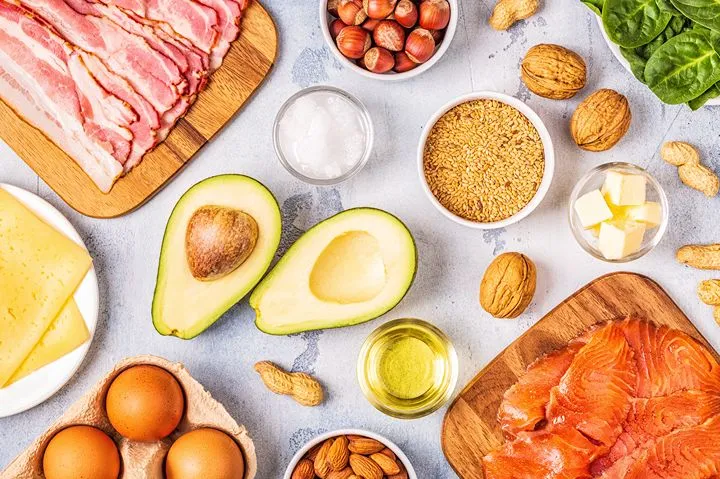
A low-carbohydrate ketogenic diet eliminates many high-FODMAP foods by default. Emerging preclinical research suggests gut-specific benefits — we examine the evidence honestly.
Diet & Nutrition
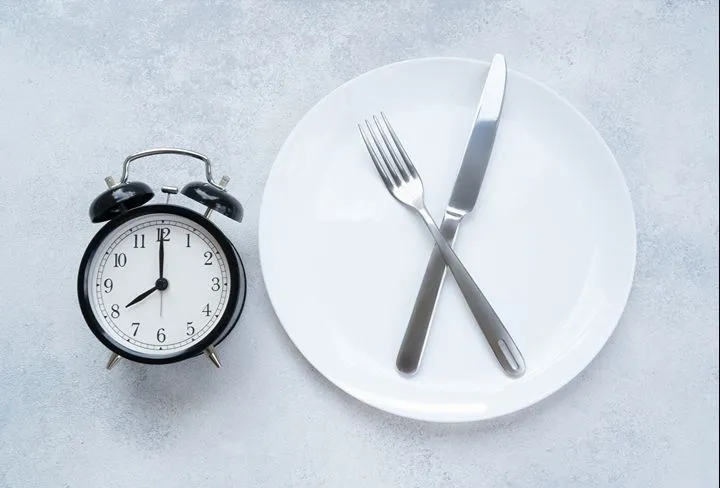
How meal frequency, eating windows and intermittent fasting interact with IBS symptoms — and what the current evidence does and doesn't support.
Gut Health
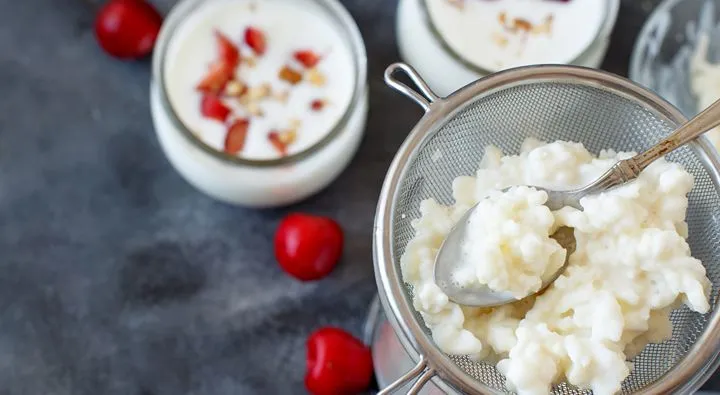
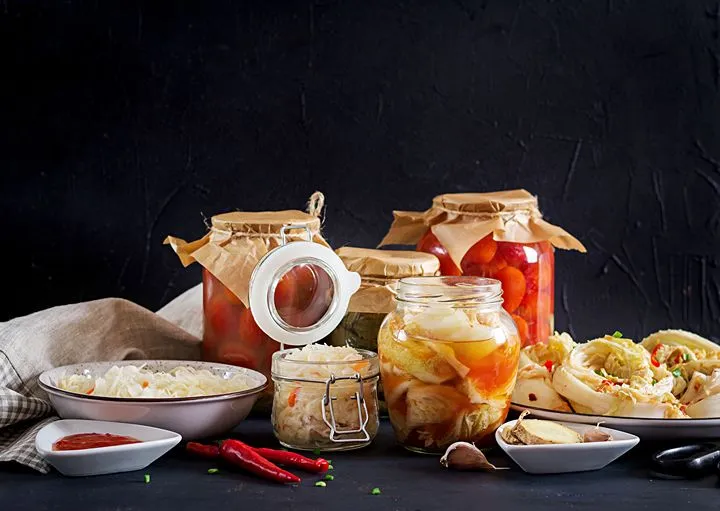
Kefir contains a broader range of probiotic strains than yogurt. What does the research say about its effects on the gut microbiome and IBS symptoms?
Gut Health
The three bacterial strains in authentic Greek yogurt culture — L. bulgaricus, S. thermophilus and L. acidophilus — have specific PubMed-backed benefits for IBS.
Understanding IBS
IBS and IBD share some symptoms but are fundamentally different conditions. This guide explains the distinction — with comparison tables covering symptoms, investigations and treatment.
Diet & Nutrition
A practical guide to eating well with IBS — which foods are known triggers, which are generally well-tolerated, and how individual variation affects everything.
Gut Health
A PubMed-referenced review of the clinical evidence on probiotic strains, gut microbiome diversity and IBS symptom management.
Diet & FODMAP
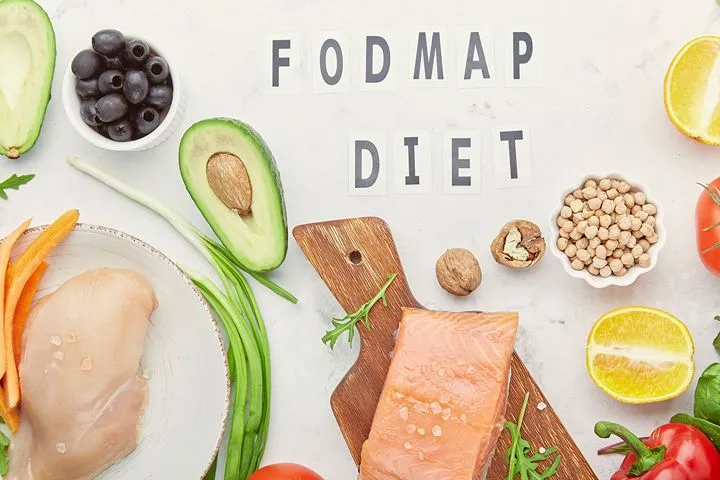
The most clinically studied dietary approach for IBS. This guide covers the evidence, which foods to limit, and how to follow it practically in Ireland.
Understanding IBS
Why stress makes IBS worse — and what the science of the gut-brain axis tells us about managing the condition more effectively.
IBS in Ireland
One in five Irish adults is affected by IBS. This guide covers Irish prevalence data, HSE resources, and how to access specialist care.
Understanding IBS
IBS symptoms are often triggered by identifiable factors. Understanding your personal triggers is one of the most effective management tools available.
Understanding IBS
A thorough overview of IBS — what it is, the four subtypes, how it's diagnosed and what to expect when you see your GP.
No articles found in this category yet.