The Ketogenic Diet and IBS — What the Research Says
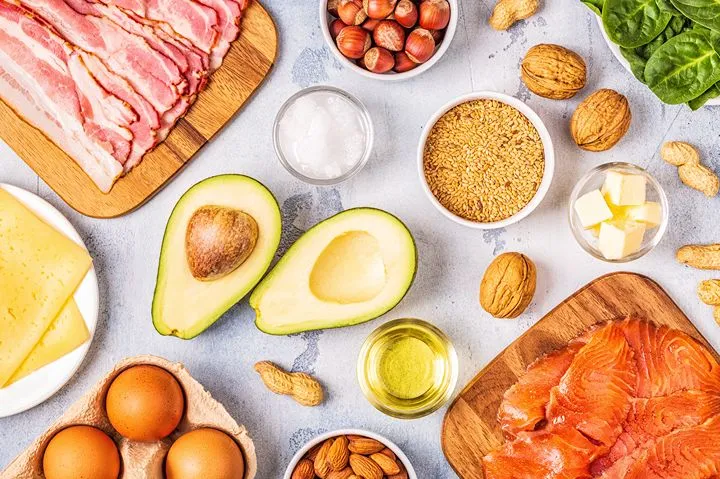
The ketogenic diet — a high-fat, adequate-protein, very low-carbohydrate dietary pattern — has generated significant interest across a range of health conditions beyond its original epilepsy application. For IBS specifically, three lines of evidence support a cautious hypothesis: the diet's FODMAP overlap, its documented effects on the gut microbiome and inflammation, and a series of peer-reviewed preclinical studies from the National Institute of Gastroenterology in Italy. This article presents that evidence honestly — including its current limitations — and covers how to approach keto practically if you have IBS.
If you have not been assessed for IBS by a GP, that is the right starting point — regardless of age. IBS shares symptoms with coeliac disease, IBD, colorectal cancer and other conditions that need to be ruled out before dietary self-management begins. A ketogenic diet is a significant dietary change and should be discussed with your GP or a registered dietitian, particularly if you have other health conditions.
What Is the Ketogenic Diet?
A ketogenic diet is a high-fat, moderate-protein, very low-carbohydrate dietary pattern — typically restricting carbohydrates to under 20–50g per day, which is roughly the carbohydrate content of a single medium potato. At this level of carbohydrate restriction, the body shifts from using glucose as its primary fuel to producing and burning ketone bodies derived from fat — a metabolic state known as ketosis.
The macronutrient split on a standard ketogenic diet is approximately 70–75% of calories from fat, 20–25% from protein, and 5–10% from carbohydrates. This is a fundamentally different dietary pattern from a low-carbohydrate diet (which typically allows 100–130g carbohydrate per day) and produces different physiological effects.
The FODMAP Overlap — Why Keto Often Improves IBS Symptoms
The most direct and evidence-supported reason a ketogenic diet helps IBS is straightforward: by eliminating carbohydrates, it removes the majority of high-FODMAP foods by default. FODMAPs — fermentable carbohydrates that trigger IBS symptoms through gas production and osmotic effects — are almost entirely excluded on a standard ketogenic diet.
| High-FODMAP Food | FODMAP Type | Keto Status |
|---|---|---|
| Wheat, bread, pasta | Fructans | Excluded — too high in carbs |
| Onion and garlic | Fructans | Excluded or severely limited |
| Legumes (beans, lentils, chickpeas) | GOS | Excluded — too high in carbs |
| Milk, yogurt, soft cheese | Lactose | Mostly excluded (hard cheese allowed) |
| Apples, pears, mango | Fructose / polyols | Excluded — too high in carbs |
| Sugar-free products with polyols | Polyols | Excluded on strict keto |
This dietary overlap explains the majority of anecdotal IBS improvement reports on keto — and it is worth being clear about: the symptom benefit may be entirely attributable to FODMAP reduction rather than anything specific to ketosis. A person following a ketogenic diet is, in effect, following a low-FODMAP diet whether they intend to or not. Distinguishing the two mechanisms would require controlled trials comparing ketogenic and low-FODMAP diets directly — which have not yet been conducted.
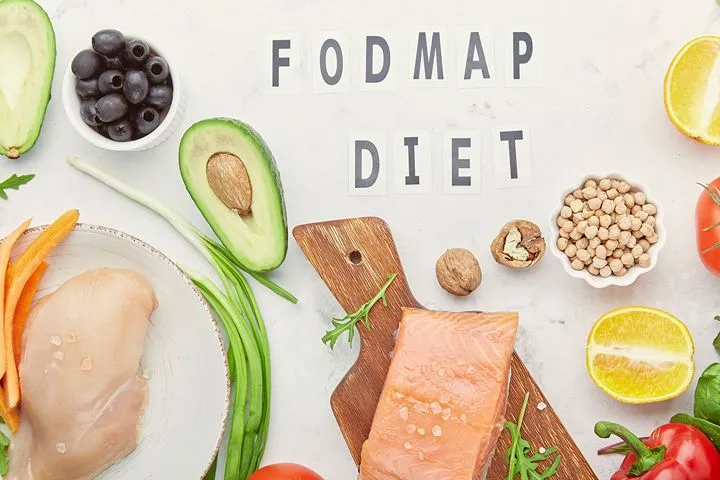
No — but there is significant overlap. Keto restricts carbohydrates for metabolic reasons; low-FODMAP restricts specific fermentable carbohydrates for gut reasons. Most high-FODMAP foods are excluded on keto, but some keto staples — large portions of avocado, cashews, cauliflower — can still be high-FODMAP. And some low-FODMAP foods (rice, potatoes, most fruit) are not compatible with keto. They are different tools with overlapping effects.
Preclinical Research — What the Italian Studies Found
A series of peer-reviewed studies from the National Institute of Gastroenterology "S. de Bellis" Research Hospital in Italy have used rat models of IBS to investigate ketogenic diet effects on gut function. While animal models have well-known limitations for translating to human clinical outcomes, these studies are published in indexed journals and provide mechanistic hypotheses worth examining.
A 2021 study (PMC7999285) found that a ketogenic diet in IBS-model rats led to upregulation of cannabinoid receptors (CB1 and CB2) in intestinal tissue. Cannabinoid receptors in the gut regulate visceral pain perception, gut motility and inflammatory responses — their upregulation has been associated with reduced IBS-type symptoms. The authors proposed that KD-induced changes in gut microbiota composition drove this receptor upregulation.
A second study (PMC8037144) examined gut mitochondrial function in IBS-model rats exposed to early-life stress. IBS rats on a standard diet showed dysfunctional mitochondrial biogenesis, increased intestinal inflammation and oxidative stress in colon tissue. IBS rats on the ketogenic diet showed significant improvements across all three measures — reduced COX-2 (an inflammatory marker), improved mitochondrial biogenesis, and reduced oxidative stress.
A third study (PMC8835524) examined the gut-brain axis specifically, finding that the ketogenic diet normalised disrupted serotonin signalling in the colon of IBS-model rats — including restoring SERT (the serotonin transporter) and 5-HT receptor levels toward normal. Serotonin dysregulation is a key feature of IBS in humans, as covered in our gut-brain axis article. The authors noted the need for human clinical confirmation.

An Honest Assessment of the Evidence
The three Italian studies are published in peer-reviewed journals, conducted by a reputable gastroenterology institute, and provide coherent mechanistic hypotheses. They are also exclusively animal model studies — a significant limitation for clinical translation. Rat models of IBS do not perfectly replicate human IBS, and effects seen in animal models frequently do not reproduce in human clinical trials.
There are currently no randomised controlled trials of a ketogenic diet specifically for IBS in human participants. The existing human evidence consists of anecdotal reports, case series and the mechanistic inference from FODMAP overlap. This means confident clinical recommendations for keto as an IBS treatment cannot be made on current evidence.
What can be said is this: a ketogenic diet is an evidence-based intervention for several conditions, is generally safe for healthy adults when followed correctly, achieves FODMAP restriction as a natural consequence of carbohydrate elimination, and has preclinical mechanistic evidence relevant to IBS. Whether these mechanistic findings translate to clinical benefit in humans remains to be confirmed by human trials.
Keto and IBS Subtypes — Does It Matter Which Type You Have?
The IBS subtype you have is relevant to whether keto is likely to help or hinder.
| IBS Subtype | Keto Likely Effect | Key Consideration |
|---|---|---|
| IBS-D (diarrhoea-predominant) | Potentially beneficial — FODMAP removal reduces fermentation-driven urgency | High fat intake stimulates the gastrocolic reflex — may worsen urgency in some |
| IBS-C (constipation-predominant) | Likely to worsen — low fibre slows gut transit further | Reduced dietary fibre on keto is a significant concern for IBS-C |
| IBS-M (mixed) | Unpredictable — depends on which symptoms dominate | Trial carefully with symptom diary; responses vary significantly |
People with IBS-D are most likely to experience symptom improvement on keto, primarily through FODMAP reduction. The high fat content of the diet is the main counteracting factor — dietary fat stimulates the gastrocolic reflex (the urge to defecate after eating) more strongly than other macronutrients, which can worsen urgency and frequency in IBS-D even as fermentation-driven symptoms improve.
People with IBS-C should approach keto with caution. The ketogenic diet is typically very low in dietary fibre, and fibre is one of the most important factors in maintaining gut motility. Constipation is one of the most commonly reported side effects of the ketogenic diet in healthy individuals — and for someone who already has IBS-C, this can significantly worsen symptoms.
Keto Flu and IBS — What to Expect in the First Two Weeks
The first one to two weeks of a ketogenic diet typically involve a transition phase commonly known as "keto flu" — a cluster of symptoms including fatigue, headaches, irritability, brain fog, and digestive changes. For people with IBS, this transition period requires careful management because keto flu gut symptoms can be difficult to distinguish from IBS symptoms.
The digestive changes most commonly reported during keto transition include loose stools or diarrhoea (particularly in the first week, due to the gut adapting to a high-fat diet), nausea, and changes in bowel frequency. These are typically transient — resolving within one to two weeks — but they may temporarily worsen IBS-D symptoms before improvement becomes apparent.
If gut symptoms worsen in the first one to two weeks of starting keto, this is more likely to be the keto transition than a sign the diet is wrong for your IBS. Give it at least three to four weeks before assessing whether the diet is helping or not. Keep a symptom diary from day one so you can track the trajectory clearly.
Managing keto flu effectively reduces the impact on gut symptoms. Key strategies: increase salt and electrolyte intake (the kidneys excrete more sodium on a low-carb diet, taking potassium and magnesium with it), stay well hydrated, and increase fat intake gradually rather than switching abruptly. Some people find a two-week gradual reduction in carbohydrates before going fully ketogenic eases the transition considerably.
Keto for IBS in Ireland — What to Eat
Following a ketogenic diet in Ireland is practically straightforward — the core foods are available in every major supermarket. The challenge for IBS specifically is ensuring the foods chosen are also low-FODMAP, which requires some awareness of portion limits for certain keto staples.

| Food Category | Keto and Low-FODMAP | Keto but Watch Portion |
|---|---|---|
| Proteins | All meat, fish, eggs — freely | Avoid marinated/sauced meats with garlic or onion |
| Dairy | Butter, hard cheese (cheddar, gouda, parmesan), cream | Avoid milk and soft cheese — high in lactose |
| Vegetables | Spinach, courgette, cucumber, peppers, kale, green beans, tomatoes | Cauliflower (max 1 cup), avocado (max half) |
| Nuts | Walnuts, pecans, macadamia, pumpkin seeds | Almonds (max 10), avoid cashews and pistachios |
| Fats/Oils | Olive oil, garlic-infused oil, butter, coconut oil | Coconut products — check serving size for FODMAP |
| Condiments | Mustard, soy sauce (small amounts), apple cider vinegar | Avoid ketchup, most sauces — contain onion/garlic powder |
The key Irish supermarket staples that work well for keto-IBS are: eggs, salmon, mackerel, streaky bacon, cheddar, butter, spinach, courgette, peppers, walnuts and olive oil. These are available in Tesco, Dunnes, SuperValu, Lidl and Aldi and form the foundation of a practical keto-IBS eating pattern without requiring specialist shops.
The main practical issue in Irish cooking is again garlic and onion — present in most spice mixes, marinades, stock cubes and ready-made sauces. The same workarounds that apply on low-FODMAP apply here: garlic-infused oil, spring onion green tops, and checking labels on any packaged product for onion or garlic powder.
How Long Before Keto Helps IBS?
Based on the pattern reported by people combining keto and IBS management, most people who respond positively to keto notice meaningful symptom improvement within three to six weeks of strict adherence — after the initial transition period has passed. The first two weeks are often the most turbulent; week three onwards is typically where improvement becomes apparent if the diet is going to work for your particular symptom pattern.
If there is no improvement after six to eight weeks of strict ketogenic eating, the diet is unlikely to be the primary solution for your IBS symptoms. In that case, returning to a GP or gastroenterologist to reassess is the appropriate next step — and a dietitian-supervised low-FODMAP protocol may be more targeted and effective.
Frequently Asked Questions
Keto can help IBS symptoms — primarily through incidental FODMAP reduction rather than any specific ketogenic mechanism. By eliminating wheat, legumes, most fruit and lactose-containing dairy, a ketogenic diet removes the majority of fermentable carbohydrates that trigger IBS symptoms. Whether ketosis itself provides additional benefit beyond this FODMAP reduction is not yet established by human clinical trials. The diet is most likely to help IBS-D and is less suitable for IBS-C due to low fibre content.
IBS-D is the most likely subtype to benefit from keto, primarily because the elimination of fermentable carbohydrates reduces the gas production and rapid transit that drive diarrhoea and urgency. However, the high fat content of the ketogenic diet stimulates the gastrocolic reflex — the reflex that triggers the urge to defecate after eating — which may counteract some of this benefit. Individual response varies considerably. IBS-C is less likely to benefit and may worsen.
There is significant overlap — most high-FODMAP foods are excluded on keto because they are too high in carbohydrates. However, keto is not the same as low-FODMAP. Some keto staples can be high-FODMAP in typical serving sizes (large portions of avocado, cauliflower, cashews, coconut milk). And many low-FODMAP foods — rice, potatoes, oats, most fruits — are not compatible with keto. They are separate dietary approaches with overlapping food lists.
Not exactly. A low-carbohydrate diet (typically under 100–130g carbohydrate per day) and a ketogenic diet (typically under 20–50g per day) both reduce FODMAP exposure, but only the ketogenic diet reliably produces ketosis. The Italian preclinical studies specifically tested ketogenic diets. Whether a moderate low-carb approach produces the same gut effects is unknown. For practical IBS purposes, both approaches achieve meaningful FODMAP reduction — though strict keto eliminates more high-FODMAP foods.
Yes — in two scenarios. First, the transition period (keto flu) in weeks one to two commonly causes digestive disruption including loose stools, nausea and bowel habit changes, which can worsen IBS temporarily before improving. Second, the very low fibre content of a ketogenic diet can significantly worsen IBS-C. The high fat content may also worsen urgency in some IBS-D patients through gastrocolic reflex stimulation. A symptom diary from day one is essential to track your individual response.
Most people who respond positively to keto for IBS notice improvement from week three onwards — after the initial keto transition period settles. The first two weeks are typically the most turbulent for gut symptoms. If there is no improvement after six to eight weeks of strict adherence, keto is unlikely to be the right primary approach for your IBS and a dietitian-supervised low-FODMAP protocol may be more targeted.
IBS.ie
Ireland's dedicated IBS information resource. We provide evidence-based, HSE and PubMed-referenced content on irritable bowel syndrome — covering symptoms, diet, gut health and management. All content is for general information only. Always consult your GP or a qualified specialist for personal medical advice.
Related Articles

Sources & References
Russo, F., et al. (2021). Cannabinoid Receptors Overexpression in a Rat Model of IBS after Treatment with a Ketogenic Diet. International Journal of Molecular Sciences. View on PMC ↗
Notarnicola, M., et al. (2021). The Ketogenic Diet Reduces the Harmful Effects of Stress on Gut Mitochondrial Biogenesis in a Rat Model of IBS. International Journal of Molecular Sciences. View on PMC ↗
Russo, F., et al. (2022). The Ketogenic Diet Improves Gut-Brain Axis in a Rat Model of IBS: Impact on 5-HT and BDNF Systems. International Journal of Molecular Sciences. View on PMC ↗
