IBS and Diet — Foods to Eat and Foods to Avoid
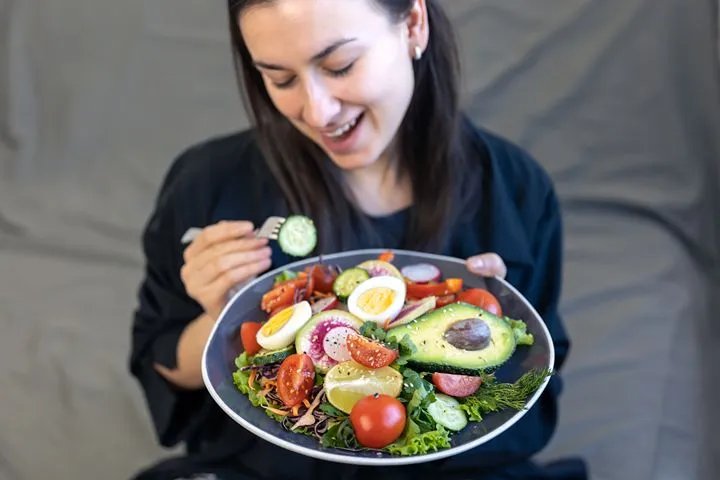
Diet is the most widely reported trigger of IBS symptoms and the most commonly attempted management strategy. Yet the relationship between food and IBS is highly individual, context-dependent and frequently misunderstood. This guide provides a practical, evidence-informed framework for eating well with IBS — covering which foods are generally safe, which are common triggers, the critical difference between types of fibre, and what the research says about gut microbiome-supporting foods.
The Most Important Principle: Individual Variation
No universal IBS diet exists that works for everyone. What triggers severe symptoms in one person may be well tolerated by another with the same diagnosis. This reflects the heterogeneity of IBS — different subtypes, different gut microbiomes, different visceral sensitivity thresholds and different psychological contexts all influence how food is processed and perceived.
Sweeping food rules borrowed from online lists are frequently counterproductive, leading to nutritional restriction without corresponding symptom benefit. The most evidence-based approach is a systematic one: identify your personal triggers through a food and symptom diary, then make targeted adjustments rather than blanket eliminations. A registered dietitian — particularly one trained in the Low-FODMAP protocol — provides the most structured path through this process.
Foods Generally Well Tolerated in IBS
Based on FODMAP research and clinical experience, the following foods are well tolerated by the majority of people with IBS. This is a starting point, not a guarantee — individual response always takes precedence.
| Food category | Well-tolerated examples | Notes |
|---|---|---|
| Grains and starches | Rice, potatoes, oats, quinoa, gluten-free pasta, sourdough (long-fermented) | All naturally low-FODMAP; oats provide beneficial soluble fibre |
| Protein | Chicken, turkey, fish, eggs, firm tofu, tempeh | Lean proteins are low-FODMAP and do not directly trigger IBS |
| Vegetables | Carrots, courgette, spinach, tomatoes, peppers, cucumber, lettuce, kale, aubergine, bok choy, spring onion tops | Most are low-FODMAP in standard portions; portion size matters |
| Fruit | Blueberries, strawberries, kiwi, oranges, grapes, ripe banana (small portion), pineapple, melon (cantaloupe) | Low-FODMAP fruits; quantity matters — large portions can exceed thresholds |
| Dairy | Hard cheese (cheddar, parmesan, brie), butter, lactose-free milk and yogurt | Hard cheeses are low in lactose; lactose-free products remove the primary dairy trigger |
| Fats and oils | Olive oil, coconut oil, garlic-infused oil | Garlic-infused oil delivers garlic flavour without fructans — see garlic and IBS |
| Drinks | Water, herbal tea, peppermint tea, lactose-free milk, small amounts of black tea or green tea | Stay well hydrated; avoid carbonated drinks and excess caffeine |
Fibre and IBS — The Type Matters Enormously
Fibre is one of the most misunderstood areas of IBS diet management. The blanket advice to "eat more fibre" is not helpful — and for some people with IBS, certain types of fibre make symptoms significantly worse. The distinction between soluble and insoluble fibre is clinically important:
| Fibre type | What it does | Effect on IBS | Good sources |
|---|---|---|---|
| Soluble fibre | Dissolves in water; forms a gel; slows transit; feeds beneficial gut bacteria | Generally beneficial across all IBS subtypes; supports stool consistency; reduces pain | Oats, psyllium husk, chia seeds, carrots, root vegetables, ripe banana |
| Insoluble fibre | Does not dissolve; adds bulk; speeds transit | Can worsen bloating, pain and diarrhoea in IBS; not recommended as first-line | Wheat bran, high-fibre cereals, brown rice bran, vegetable skins in large amounts |
Psyllium husk is the most studied supplemental fibre for IBS and is beneficial across subtypes — it softens stool for IBS-C and reduces urgency for IBS-D by absorbing excess water. It is the active ingredient in Fybogel, available in Irish pharmacies. Wheat bran, by contrast, is specifically not recommended for IBS in most clinical guidelines.
Foods Commonly Associated with IBS Symptoms
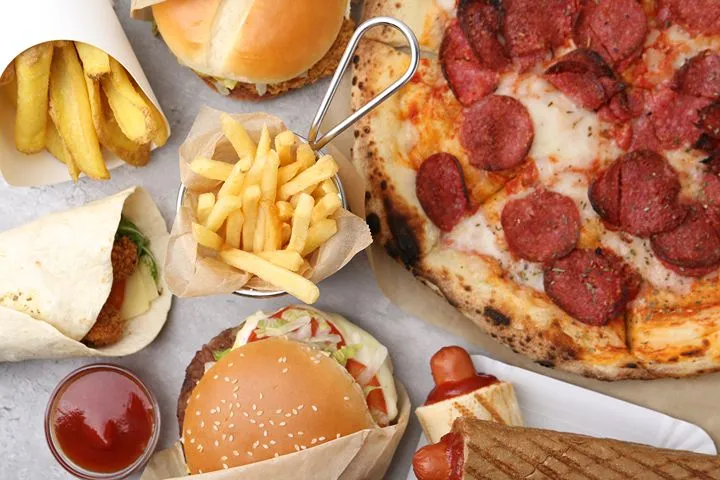
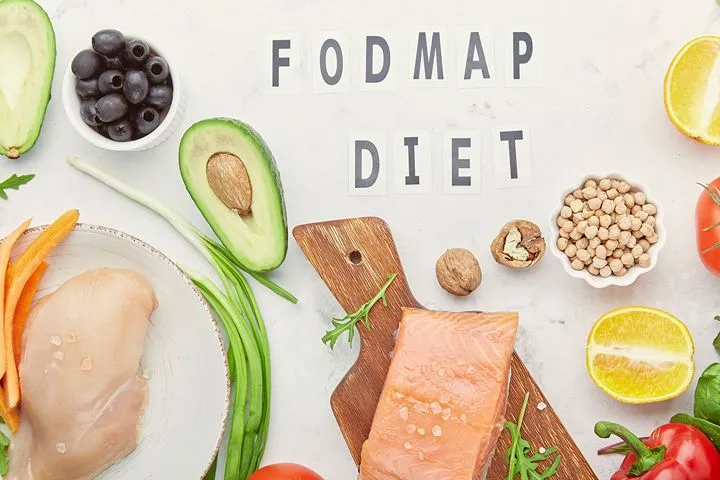
Beyond high-FODMAP foods — which are covered in detail in the Low-FODMAP Diet Ireland article — several other food properties consistently trigger IBS symptoms:
| Trigger category | Examples | Mechanism | Most affects |
|---|---|---|---|
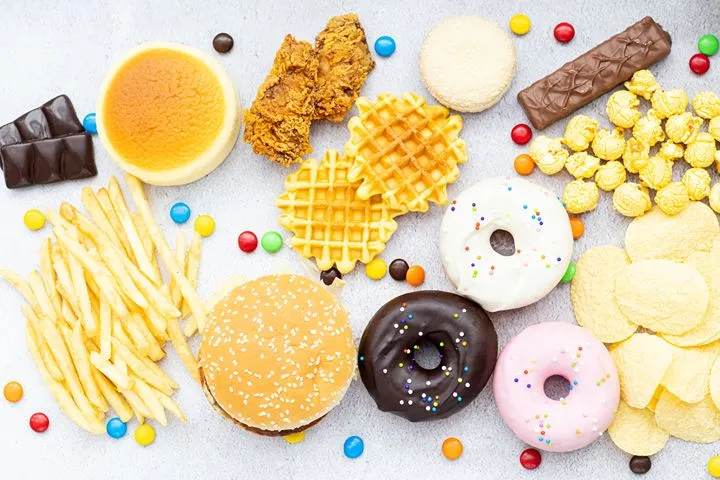
| High-fat / fried foods | Takeaways, chips, cream sauces, fatty meats | Exaggerates gastrocolic reflex; accelerates gastric emptying | IBS-D urgency and cramping |
| Caffeine | Coffee (including decaf), strong tea, energy drinks | Directly stimulates colonic motility | IBS-D urgency; also worsens anxiety |
| Alcohol | Beer (fructans + carbonation), wine (sulphites), spirits | Increases intestinal permeability; disrupts microbiome; alters motility | All subtypes; often worst the day after |
| Spicy foods | Chilli, hot sauce, heavily spiced dishes | Capsaicin activates TRPV1 receptors in gut mucosa | Abdominal pain, urgency, perianal burning |
| Artificial sweeteners | Sorbitol, mannitol, xylitol (sugar-free products, chewing gum) | Osmotic effect draws water into bowel; poorly absorbed polyols | Bloating, diarrhoea |
| Carbonated drinks | Fizzy water, soft drinks, sparkling wine, beer | Gas load increases intestinal distension | Bloating, pain, belching |
| Ultra-processed foods | Packaged snacks, fast food, ready meals with emulsifiers | Emulsifiers disrupt gut mucus layer; associated with microbiome dysbiosis | Bloating, altered transit, microbiome impact |
Gut Microbiome-Supporting Foods
Research increasingly links gut microbiome health to IBS symptom severity. Dietary patterns that support a diverse, balanced microbiome appear to benefit IBS beyond the effects of avoiding specific triggers. Several foods have evidence for positive microbiome effects relevant to IBS:
| Food | Microbiome benefit | IBS relevance |
|---|---|---|
| Kefir | Diverse probiotic strains including Lactobacillus and Bifidobacterium species | Evidence for IBS symptom improvement — see kefir and IBS |
| Live-culture yogurt | L. bulgaricus, S. thermophilus, L. acidophilus | Supports gut barrier; evidence for IBS-D — see Greek yogurt for IBS |
| Pomegranate, blueberries, cranberries | Polyphenols that selectively feed beneficial bacteria including Akkermansia muciniphila | Support gut barrier integrity; Akkermansia is linked to reduced intestinal permeability |
| Oats | Beta-glucan feeds short-chain fatty acid-producing bacteria | Supports gut lining; soluble fibre benefit for IBS |
| Green and white tea | Polyphenols with prebiotic-like effects on microbiome | Lower caffeine than coffee; lower colonic motility stimulation |
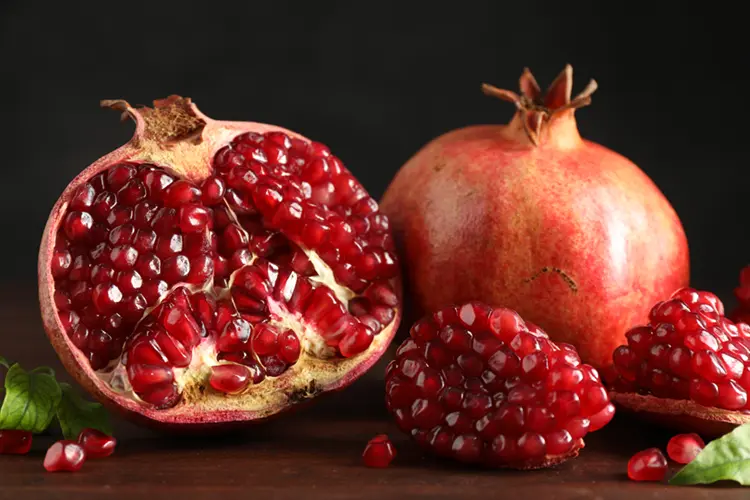
Polyphenol-rich foods such as pomegranate, blueberries and cranberries are among the best-studied dietary supporters of Akkermansia muciniphila — a keystone gut bacterium associated with gut barrier integrity and reduced intestinal permeability. In IBS, increased intestinal permeability is one of the mechanisms through which food triggers provoke symptoms. Supporting Akkermansia through diet is an emerging but promising angle on IBS dietary management.
Practical Eating Strategies for IBS
Beyond specific foods, eating behaviours have a significant and often underestimated influence on IBS symptoms:
| Strategy | Rationale |
|---|---|
| Three structured meals per day, no snacking | Allows the migrating motor complex to complete its cleaning cycles between meals — see meal timing and IBS |
| Eat slowly and chew thoroughly | Reduces air swallowing (a contributor to bloating); improves digestive efficiency |
| Consistent meal times | Supports the gut's circadian clock; reduces symptom variability |
| Smaller meal portions | Reduces per-meal gastrocolic reflex; particularly useful for IBS-D urgency after eating |
| Avoid eating when stressed | Stress activates the HPA axis, which amplifies gut responses to food via the gut-brain axis |
| Stay well hydrated with water | Supports stool consistency across subtypes; avoid carbonated drinks as main fluid |
| Leave 2–3 hours before bed after last meal | Allows overnight MMC function; reduces late-night symptom risk |
Frequently Asked Questions
Foods generally well tolerated in IBS include rice, potatoes, oats, eggs, lean meat, fish, firm tofu, hard cheeses, lactose-free dairy, and low-FODMAP vegetables (carrots, courgette, spinach, peppers, cucumber, lettuce, kale). Low-FODMAP fruits include blueberries, strawberries, kiwi, oranges, grapes and small portions of ripe banana. Soluble fibre sources — oats, psyllium husk and chia seeds — are generally beneficial across all IBS subtypes.
Common IBS dietary triggers include high-FODMAP foods (onions, garlic, wheat, rye, apples, pears, stone fruits, lactose, legumes), fatty and fried foods, caffeine, alcohol, spicy foods, carbonated drinks, artificial sweeteners (sorbitol, mannitol, xylitol) and large meal volumes. Ultra-processed foods are also associated with gut dysbiosis and worsened symptoms. Triggers are highly individual — a systematic elimination approach is more reliable than blanket avoidance.
The type of fibre matters enormously. Soluble fibre (oats, psyllium husk, chia seeds, root vegetables) is generally beneficial across all IBS subtypes and is recommended for stool consistency and pain reduction. Insoluble fibre (wheat bran, high-fibre cereals) can worsen bloating, pain and diarrhoea in IBS and is not recommended as a first-line intervention. Wheat bran in particular is specifically avoided in most IBS dietary guidelines.
No, though there is significant overlap. The low-FODMAP diet restricts fructans (found in wheat, rye and barley) rather than gluten itself. Many people with IBS who improve on a gluten-free diet are actually responding to fructan reduction rather than gluten removal. Before going gluten-free, ask your GP to test for coeliac disease — the blood test requires you to be eating gluten at the time, and an accurate result is important.
Coffee is one of the most commonly reported IBS dietary triggers, particularly for IBS-D. It stimulates colonic motility directly, and even decaffeinated coffee contains compounds that promote bowel contractions. If urgency and diarrhoea are your main symptoms, a 2-week trial of reducing or eliminating coffee is a worthwhile self-experiment. Strong tea has a similar though lesser effect.
Yes, for many people with IBS. Alcohol increases intestinal permeability, disrupts the gut microbiome and affects motility. Beer is particularly problematic — it is carbonated and often high in fructans. Symptoms are often worst the day after drinking, as microbiome disruption takes time to manifest. Red wine sulphites are also frequently reported as a trigger.
Some fermented foods may benefit IBS by supporting gut microbiome diversity. Kefir, live-culture yogurt and certain fermented vegetables contain beneficial bacterial strains. However, some fermented foods are also high in FODMAPs, so individual response varies. Evidence for kefir and yogurt in IBS is covered in detail in the kefir and IBS and Greek yogurt articles.
IBS.ie
Ireland's dedicated IBS information resource. We provide evidence-based, HSE and PubMed-referenced content on irritable bowel syndrome — covering symptoms, diet, gut health and management. All content is for general information only. Always consult your GP or a qualified specialist for personal medical advice.
Related Articles
Sources & References
Staudacher, H.M., & Whelan, K. (2017). The low FODMAP diet: recent advances in understanding its mechanisms and efficacy in IBS. Gut. View on PubMed ↗
El-Salhy, M., et al. (2019). Dietary fiber in irritable bowel syndrome. International Journal of Molecular Medicine. View on PubMed ↗
Bohn, L., et al. (2015). Diet and irritable bowel syndrome: an update. Current Opinion in Clinical Nutrition and Metabolic Care. View on PubMed ↗
HSE. Irritable Bowel Syndrome. View on HSE.ie ↗
