

UNDERSTANDING IBS
What is IBS? Symptoms, Types and Diagnosis Explained
A thorough overview of IBS — what it is, what it isn't, how it's diagnosed, and the difference between the four subtypes. The essential starting point.
Irritable Bowel Syndrome affects 1 in 5 adults in Ireland. IBS.ie provides evidence-based information on IBS symptoms, diagnosis, diet and management — referenced to the HSE and PubMed, and written for an Irish audience.
IBS is one of the most common gastrointestinal conditions in the world — and one of the most frequently misunderstood.
Irritable Bowel Syndrome (IBS) is a functional gastrointestinal disorder, meaning symptoms arise from changes in how the gut works rather than from visible structural damage. It is a chronic condition — symptoms may persist for years, fluctuate in severity, or appear and disappear over time.
IBS is classified as a disorder of gut-brain interaction (DGBI), reflecting the established role of the gut-brain axis in its development. The gut and brain communicate constantly through the enteric nervous system, and disruption to this communication — whether through stress, infection, diet or other triggers — can alter gut motility, visceral sensitivity and bowel function.
According to the Health Service Executive (HSE), IBS affects approximately 1 in 5 people in Ireland. It is more common in women than men, and symptoms typically first appear before the age of 40 — though IBS can develop at any age.
Symptoms vary between individuals and may change over time. The most commonly reported include abdominal pain or cramping (often relieved by bowel movement), bloating and distension, diarrhoea, constipation, or an alternating pattern of both, changes in stool consistency or frequency, and excess wind or mucus in stools.
Importantly, IBS does not cause visible damage to the digestive tract and is not associated with an increased risk of bowel cancer. However, symptoms can significantly affect quality of life and daily functioning — and should always be assessed by a GP, particularly when they are new or changing.

Loose or watery stools are the primary bowel symptom. Often associated with urgency.
Hard or infrequent stools are predominant. Straining and bloating are common.
Both loose stools and constipation occur — sometimes alternating, sometimes unpredictably.
Symptoms meet IBS criteria but don't fit clearly into D, C or M categories.
From understanding your diagnosis to managing symptoms through diet and lifestyle — evidence-based articles across the most important areas of IBS.
The Low-FODMAP diet is one of the most clinically studied dietary approaches for IBS. Understand which foods to limit, which to keep, and how to follow it practically in Ireland.
Read the FODMAP guide →The gut and brain communicate constantly. Understanding how stress, anxiety and the nervous system affect your gut is central to understanding IBS — and managing it.
Explore the gut-brain connection →Emerging research on the gut microbiome has reshaped how we understand IBS. We cover what the PubMed evidence actually says about probiotics, fermented foods and gut bacteria.
Read the probiotics research →IBS is diagnosed clinically using established criteria. We cover the diagnostic process, when to see your GP, and what management options are available through the Irish healthcare system.
IBS in Ireland →
IBS is one of the most prevalent chronic health conditions in Ireland, yet it remains significantly underdiagnosed and underdiscussed. Many people experience symptoms for years before receiving a diagnosis — and access to specialist gastroenterological care varies considerably across the country.
IBS.ie is built specifically for an Irish audience: referencing HSE resources, Irish healthcare pathways, and the practical realities of managing IBS in an Irish context — from GP access to food availability to the specific dietary challenges of Irish eating patterns.
IBS and IBD are frequently confused — the abbreviations look alike and some symptoms overlap. But they are fundamentally different conditions with different causes, investigations, treatments and implications. Understanding the distinction is important.
IBD includes Crohn's disease and ulcerative colitis. IBS does not progress to IBD. If you have been diagnosed with IBS but are experiencing rectal bleeding, unintentional weight loss or persistent fever, see your GP promptly — these are not typical IBS symptoms.
Full IBS vs IBD Guide →All articles are referenced to PubMed, the HSE or NHS. No anecdote presented as evidence, no treatment recommendations — just clear information to help you understand your condition.
A thorough overview of IBS — what it is, what it isn't, how it's diagnosed, and the difference between the four subtypes. The essential starting point.
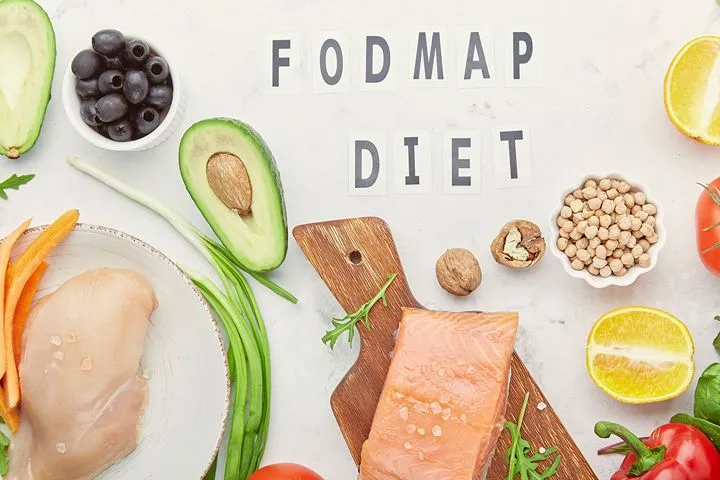
The Low-FODMAP diet has strong clinical evidence for reducing IBS symptoms. This guide covers what to eat, what to limit, and how to apply it in an Irish context.

The gut and brain are in constant communication. Understanding this connection explains why stress worsens IBS — and what can be done about it.

Probiotic supplements are widely recommended for IBS — but what does the clinical evidence actually show? A PubMed-referenced review of the research.

Enteric-coated peppermint oil capsules are among the most evidence-backed natural interventions for IBS. Here's what the research shows and how to use them safely.

The three bacterial strains in Greek yogurt culture have specific PubMed-backed benefits for IBS. Here's the research, and why making it at home makes a difference.
Answers to the most commonly asked questions about Irritable Bowel Syndrome in Ireland — referenced to HSE and PubMed sources.
IBS (Irritable Bowel Syndrome) is a functional gastrointestinal disorder in which symptoms arise from changes in how the gut works, rather than from structural damage or inflammation. It is classified as a disorder of gut-brain interaction and affects approximately 1 in 5 adults in Ireland. Read our full guide to what is IBS.
The main symptoms include recurrent abdominal pain or cramping, bloating, diarrhoea, constipation or an alternating pattern of both, urgency, excess wind and mucus in stools. Symptoms vary between individuals and may change over time. IBS does not cause rectal bleeding or unintentional weight loss — these symptoms require prompt GP review.
IBS is diagnosed clinically by a GP using the Rome IV criteria — based on symptom history rather than a single test. Blood tests are typically arranged to rule out coeliac disease, thyroid disorders and inflammatory bowel disease. A faecal calprotectin stool test can help distinguish IBS from IBD. Read more about IBS diagnosis in Ireland.
IBS is a functional disorder — the gut looks normal on investigation with no inflammation or structural damage. IBD (Crohn's disease and ulcerative colitis) is an autoimmune disease where the immune system attacks the gut lining, causing visible inflammation and structural damage. IBS does not progress to IBD and does not increase cancer risk. Read our full IBS vs IBD guide.
The most evidence-based approach is the Low-FODMAP diet, which limits short-chain carbohydrates that ferment in the gut. High-FODMAP foods to limit include wheat, onion, garlic, certain fruits and lactose-containing dairy. Other common triggers include fatty foods, caffeine and alcohol. Food triggers are highly individual — a symptom diary is the best starting point. Read our Low-FODMAP guide for Ireland.
Stress does not directly cause IBS but significantly worsens symptoms through the gut-brain axis. Psychological stress increases gut motility, visceral sensitivity and intestinal permeability. Managing stress through CBT, gut-directed hypnotherapy and mindfulness has clinical evidence for reducing IBS severity. Read about the gut-brain axis and IBS.
There is currently no cure for IBS, but symptoms can be effectively managed. Evidence-based approaches include the Low-FODMAP diet, psychological therapies such as CBT and gut-directed hypnotherapy, enteric-coated peppermint oil, and in some cases medication. Many people find symptoms improve significantly with the right combination of dietary and lifestyle changes.
Start with your GP, who can confirm the diagnosis and refer you to appropriate services. The HSE provides patient information on IBS. Dietitian referral for Low-FODMAP guidance is available publicly or privately. Read our guide to IBS services in Ireland.
Medical information only. The content on IBS.ie is for general educational purposes and does not constitute medical advice. Always consult your GP or a qualified healthcare professional for personal health concerns. Learn more about how we work.
