Peppermint Oil for IBS — Evidence, Dosage and How to Use It
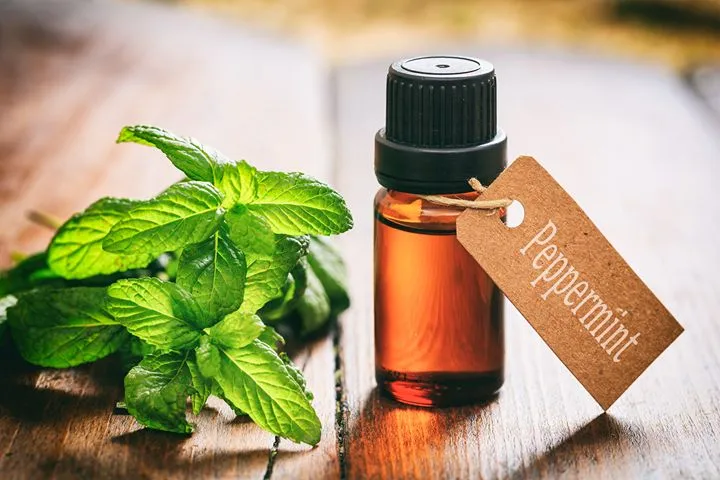
Of all the natural interventions studied for IBS, enteric-coated peppermint oil capsules have one of the strongest clinical evidence bases. Multiple meta-analyses covering hundreds of patients consistently show meaningful reductions in abdominal pain and global symptom severity. This makes peppermint oil unusual among natural remedies: it has genuinely rigorous trial data behind it. This article covers what the research shows, why the formulation you choose matters enormously, the correct dosage, what to expect from tea versus capsules, and who should be cautious.
Why Peppermint Oil Works for IBS
The primary active component in peppermint oil is L-menthol, which acts as a calcium channel antagonist in the smooth muscle cells lining the gastrointestinal tract. Calcium influx is required for smooth muscle contraction — by blocking calcium channels, L-menthol causes smooth muscle relaxation, reducing the intestinal spasm and cramping that characterise IBS pain episodes.
This antispasmodic mechanism is shared with some prescription IBS medications such as mebeverine (Colofac), which targets the same pathway. The fact that peppermint oil has a well-characterised pharmacological mechanism rather than purely empirical history is part of why it has attracted serious clinical investigation.
Beyond calcium channel blockade, L-menthol also:
- Activates TRPM8 receptors on afferent nerve fibres in the gut wall, reducing visceral hypersensitivity — the heightened pain perception that amplifies discomfort in IBS
- Has mild carminative properties, helping to reduce intestinal gas and associated bloating
- Demonstrates anti-inflammatory activity in vitro, inhibiting certain inflammatory mediators
- Has mild local anaesthetic effects on visceral nerve endings, contributing to pain reduction independently of spasm reduction
The combination of mechanisms explains why peppermint oil shows efficacy across multiple IBS symptom domains in clinical trials — not only pain, but also bloating, urgency and global symptom scores.
What the Clinical Evidence Actually Shows
The evidence base for peppermint oil in IBS is more substantial than for most natural remedies, and has been subject to formal systematic review and meta-analysis.
The Khanna et al. Meta-Analysis (2014)
The landmark systematic review and meta-analysis by Khanna et al., published in the Journal of Clinical Gastroenterology in 2014, analysed nine randomised controlled trials of peppermint oil in IBS involving 726 patients. The results were consistently positive:
| Outcome | Result vs Placebo | NNT |
|---|---|---|
| Global IBS symptom improvement | Relative risk 2.23 (95% CI 1.78–2.81) | 2.5 |
| Abdominal pain reduction | Relative risk 2.14 (95% CI 1.64–2.79) | 3.0 |
An NNT (number needed to treat) of 2.5 to 3.0 is a clinically meaningful effect size. It means that for every 2 to 3 patients treated with peppermint oil, one achieves significant benefit who would not have done so with placebo. For context, many pharmaceutical IBS treatments have NNTs in the range of 5 to 10.
The Ford et al. Review (2008)
A systematic review by Ford et al. published in 2008 evaluated herbal therapies for IBS including peppermint oil. Peppermint oil was the only herbal treatment with sufficient quality evidence to support a conclusion, and the review found it significantly superior to placebo for IBS symptom relief. This review underpinned international guidelines that acknowledge peppermint oil as a valid first-line option for IBS management.
More Recent Trials
A randomised trial published in Digestive Diseases and Sciences by Cash et al. (2016) examined a small-intestinal-release peppermint oil formulation and found significant reductions in Total IBS Symptom Score at 4 weeks versus placebo, with a particularly strong effect on abdominal pain. The trial confirmed that delivery mechanism matters — not just the raw oil content.
Why Enteric Coating Is Essential
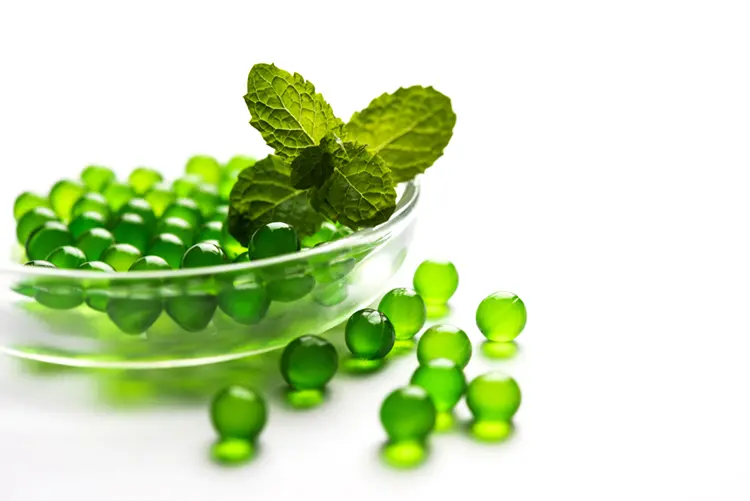
This is the most important practical point in this article, and the single most common reason people take peppermint oil for IBS and do not benefit from it: the capsule must be enteric-coated.
What happens without enteric coating
When a standard non-coated peppermint oil capsule is swallowed, the oil releases in the stomach. L-menthol in the stomach relaxes the lower oesophageal sphincter (the valve between the oesophagus and stomach) and is absorbed primarily in the upper GI tract rather than reaching the small intestine where it is needed. The result:
- Heartburn and acid reflux as stomach acid enters the relaxed oesophagus
- Regurgitation of peppermint-flavoured stomach contents
- Minimal antispasmodic effect on the small intestine
- No meaningful benefit for IBS cramping or bloating
This is not a minor clinical footnote. The trials demonstrating efficacy used enteric-coated formulations. Plain peppermint oil capsules, softgels, and liquid peppermint oil are not equivalent and have not been validated for IBS in the same way.
What enteric coating does
Enteric coating is a polymer layer applied to the outside of the capsule that resists dissolution in the acidic stomach environment (pH 1–3) but dissolves in the more alkaline small intestine (pH 6–7). The oil is therefore delivered intact to the duodenum and jejunum, where the smooth muscle it targets is located. Taking capsules before meals positions them in the small intestine when food-stimulated contractions begin — the timing when IBS cramping most commonly occurs.
Peppermint Oil Dosage for IBS
The dosing used in the major clinical trials, and reflected in licensed pharmaceutical products, is:
| Parameter | Standard Clinical Dose |
|---|---|
| Oil content per capsule | 0.2 to 0.4 ml (approximately 187 to 225 mg) |
| Capsules per dose | 1 to 2 capsules |
| Frequency | Three times daily |
| Timing | 30 to 60 minutes before meals |
| Minimum trial duration | 4 weeks before assessing response |
Taking capsules before meals rather than after is clinically important. Pre-meal timing allows the capsule to be dissolving in the small intestine when food arrives and triggers the contractions that cause IBS cramping. If taken after meals, the oil may release too late or in the wrong GI segment.
Irish and UK brands available
Colpermin is the most widely available enteric-coated peppermint oil product in Ireland and the UK. Each capsule contains 187 mg of peppermint oil. It is stocked over the counter in most Irish pharmacies and is sometimes prescribed on a medical card. The standard adult dose is 1 to 2 capsules three times daily before meals.
IBgard uses a proprietary SST (Site-Specific Targeting) microsphere system with 90 mg per capsule, recommended as three capsules three times daily (total 810 mg daily). It is less commonly stocked in Irish pharmacies but is available to order online. It was the formulation used in the 2016 Cash et al. trial.
For most Irish patients, Colpermin is the more practical starting point due to pharmacy availability and lower cost.
Peppermint Oil vs Peppermint Tea for IBS
One of the most common questions is whether peppermint tea can achieve the same results as enteric-coated capsules. The short answer is no — and the reasons are straightforward.
Why tea does not replicate capsule effects
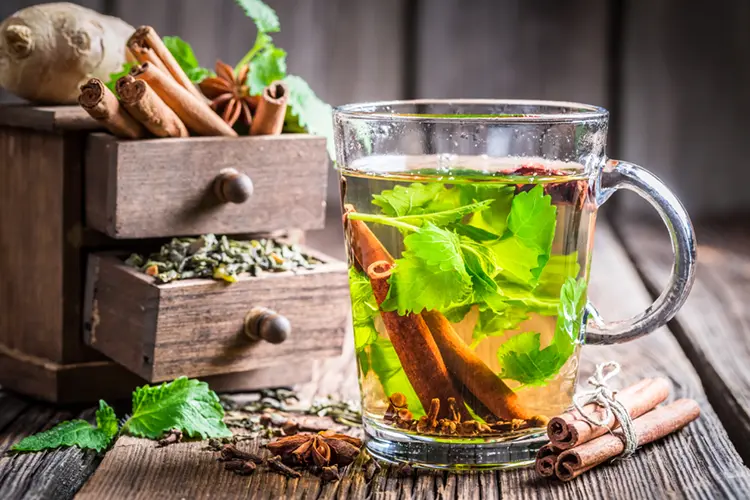
A standard cup of peppermint tea contains approximately 5 to 20 mg of peppermint oil equivalent — compared to 187 to 225 mg in a single enteric-coated capsule. This is a concentration difference of roughly 10-fold to 40-fold. Even setting aside the delivery issue, the active compound dose is far below the therapeutic range used in clinical trials.
More importantly, peppermint tea has no enteric coating. Any L-menthol absorbed from tea is absorbed in the stomach, not the small intestine — the same problem as non-coated capsules. Hot liquids may also worsen reflux in susceptible individuals.
There is no clinical trial evidence that peppermint tea reduces IBS symptoms. Its continued use as a home remedy for digestive discomfort is understandable, but it should not be conflated with the evidence-based use of enteric-coated capsules.
When peppermint tea is genuinely useful
Peppermint tea is not without value. Upper GI absorption of menthol from tea may provide genuine symptomatic comfort for nausea, dyspepsia (indigestion), and post-meal stomach bloating. These are upper gastrointestinal effects, not small intestinal antispasmodic effects. If your dominant IBS symptoms are lower abdominal cramping, urgency and altered bowel habit, peppermint tea is the wrong tool.
How Long Does Peppermint Oil Take to Work?
The timing of response varies, but the following pattern is broadly consistent with clinical trial data:
| Timeframe | What to expect |
|---|---|
| Days 1 to 7 | Some people notice reduced acute cramping, particularly if taken consistently before meals. Early responders exist but are not the majority. |
| Weeks 1 to 2 | Gradual reduction in abdominal pain frequency and severity in responding individuals. Bloating improvement may begin. |
| Weeks 2 to 4 | The period in which most clinical trials show statistically significant effects. Global symptom improvement becomes measurable. |
| 4 weeks and beyond | Full assessment point. If there is no meaningful improvement by 4 weeks at the correct dose, the probability of further response decreases. Discuss alternatives with your GP. |
Do not assess whether peppermint oil is working after 5 to 7 days. The clinical evidence shows a cumulative effect over weeks. Set a minimum 4-week trial period at the correct dose before drawing conclusions.
Managing known IBS triggers alongside peppermint oil will also improve your ability to assess whether it is helping — symptom reduction is harder to observe if you are still regularly encountering food or stress triggers.
Side Effects and Who Should Avoid Peppermint Oil
Enteric-coated peppermint oil is generally well-tolerated in clinical trials, but there are important contraindications and side effects to be aware of. The following section is deliberately thorough because peppermint oil is available without prescription and the reflux contraindication is clinically important.
Common side effects
- Perianal burning or warmth — occurs in a proportion of users when menthol passes through the bowel and reaches the anal area. This is harmless and typically mild, but can be uncomfortable. It often reduces after the first few days of use.
- Heartburn or acid reflux — even with enteric coating, some relaxation of the lower oesophageal sphincter can occur. If reflux worsens after starting peppermint oil, stop the supplement and consult your GP.
- Peroral tingling or minty taste — occurs if capsules are chewed or broken. Always swallow capsules whole without chewing.
Who should avoid peppermint oil
- Gastro-oesophageal reflux disease (GORD) — peppermint oil relaxes the lower oesophageal sphincter and is clinically contraindicated in active reflux disease. This is the most important contraindication.
- Achlorhydria (very low stomach acid) — altered gastric pH may affect when enteric coating dissolves, potentially causing gastric rather than intestinal release.
- Concurrent antacid use — antacids raise gastric pH and may cause enteric-coated capsules to dissolve in the stomach. Take peppermint oil at least 1 to 2 hours away from antacid doses.
Children
Peppermint oil should not be used in children under 8 years of age. Menthol applied near the nose or mouth in infants and young children can cause respiratory depression. Enteric-coated capsules are not tested in young children and are not appropriate for this age group.
Pregnancy
Safety data for peppermint oil in pregnancy is limited. It is generally not recommended during pregnancy as a precaution. If you are pregnant or planning pregnancy, discuss this with your GP or midwife before starting any peppermint oil supplement.
Drug interactions
Peppermint oil components are metabolised by cytochrome P450 enzymes (particularly CYP3A4 and CYP1A2) and may interact with medications that use the same pathways. Known or potential interactions include:
- Cyclosporine — some evidence suggests peppermint oil may alter cyclosporine blood levels; particularly important for transplant patients
- Certain antidepressants and anxiolytics — menthol has been shown in vitro to inhibit CYP3A4, which metabolises many psychiatric medications
- Some statins — metabolised via CYP3A4; theoretical interaction
If you take any regular prescription medication, discuss peppermint oil with your GP or pharmacist before starting. This is not a concern for most healthy adults on no medication, but is relevant for people on multiple medications.
Practical Buying Guide for Ireland
A practical summary for Irish patients:
| Product | Availability in Ireland | Dose per capsule | Notes |
|---|---|---|---|
| Colpermin | Most Irish pharmacies (OTC and prescription) | 187 mg | First choice for most Irish patients; GMS-listed |
| IBgard | Online; occasional pharmacy stock | 90 mg (SST microspheres) | Higher daily capsule count; different delivery mechanism |
| Generic enteric-coated capsules | Health shops, online pharmacies | Varies (check label) | Must say "enteric-coated" or "gastro-resistant" on label |
Peppermint oil can be used alongside dietary approaches such as the low-FODMAP diet — they target different mechanisms and are not mutually exclusive. If you are also experiencing significant gut-related discomfort around certain foods, the garlic-and-onion FODMAP issue is worth investigating: see garlic and IBS for a detailed breakdown. For fermented food approaches that may complement peppermint oil, kefir and IBS covers the evidence on probiotic fermented drinks.
Frequently Asked Questions
Yes. Enteric-coated peppermint oil capsules are one of the best-supported natural treatments for IBS. Meta-analyses covering hundreds of patients show significant reductions in abdominal pain and global symptom scores versus placebo, with a number needed to treat of approximately 2.5 to 3. This is a clinically meaningful effect size, comparable to some prescription antispasmodics.
Enteric-coated peppermint oil is a capsule with a protective polymer coating that resists stomach acid and dissolves only in the small intestine (pH 6+). This ensures the oil reaches the smooth muscle of the small intestine where it can act as an antispasmodic, rather than releasing in the stomach where it causes heartburn and fails to benefit IBS. The coating is what makes the clinical trial results possible.
Peppermint tea is unlikely to produce significant benefit for IBS cramping and pain. The active compound concentration is roughly 10 to 40 times lower than a therapeutic capsule, and absorption happens in the stomach rather than the small intestine. Tea may help with upper GI nausea and mild post-meal bloating. For lower abdominal IBS symptoms, enteric-coated capsules are the evidence-based choice.
Most clinical trials show statistically significant improvement at 4 weeks of consistent use. Some people notice reduced cramping within the first week. A minimum 4-week trial at the correct dose -- taken before meals three times daily -- is recommended before assessing response. Judging effectiveness after only a few days is premature.
In some people it can worsen specific symptoms. The main concern is heartburn and acid reflux: peppermint oil relaxes the lower oesophageal sphincter, which can allow stomach acid into the oesophagus. People with GORD are particularly at risk and should avoid it. Perianal burning (a warm sensation around the anus during bowel movements) occurs in a minority of users but is harmless.
Enteric-coated peppermint oil is considered safe for most healthy adults with IBS at recommended doses. It should be avoided by people with GORD, children under 8, and used with caution in pregnancy. Drug interactions are possible in people on multiple medications, particularly those metabolised via CYP3A4. Always consult your GP before starting if you take prescription medication or have other health conditions.
The standard clinical dosage is 0.2 to 0.4 ml (approximately 187 to 225 mg) per capsule, taken 1 to 2 capsules three times daily, 30 to 60 minutes before meals. This corresponds to Colpermin (1 to 2 capsules three times daily) and IBgard (3 capsules three times daily at 90 mg each). Follow the specific product instructions, as concentrations and release profiles differ between formulations.
Both are enteric-coated peppermint oil products with clinical trial evidence for IBS. Colpermin (187 mg per capsule) is widely available in Irish pharmacies and sometimes prescribed on a medical card. IBgard uses a microsphere delivery system (90 mg per capsule, three capsules three times daily) and is available mainly online. Both work. Colpermin is the more practical starting point for Irish patients.
IBS.ie
Ireland's dedicated IBS information resource. We provide evidence-based, HSE and PubMed-referenced content on irritable bowel syndrome — covering symptoms, diet, gut health and management. All content is for general information only. Always consult your GP or a qualified specialist for personal medical advice.
Related Articles
Sources & References
Ford, A.C., et al. (2008). Systematic review: the efficacy of herbal therapies in irritable bowel syndrome. Alimentary Pharmacology & Therapeutics. View on PMC ↗
Khanna, R., et al. (2014). Peppermint oil for the treatment of irritable bowel syndrome: a systematic review and meta-analysis. Journal of Clinical Gastroenterology. View on PubMed ↗
Cash, B.D., et al. (2016). A novel delivery system of peppermint oil is an effective therapy for irritable bowel syndrome symptoms. Digestive Diseases and Sciences. View on PubMed ↗
National Center for Complementary and Integrative Health (NCCIH). Peppermint Oil. View on NCCIH ↗
Health Service Executive (HSE). Peppermint oil. View on HSE.ie ↗
