IBS Triggers — Food, Stress, Hormones and Lifestyle

IBS does not have a single cause — and it rarely has a single trigger. For most people, symptoms are provoked by a combination of factors that vary in their relative importance from person to person. Understanding what triggers your IBS is not just useful; it is one of the most effective management strategies available, often more impactful than any single medication or supplement. This guide covers the main trigger categories — food, stress, hormones and lifestyle — and how to identify your own pattern. Before diving into specific triggers, our IBS Symptoms guide provides a complete reference for the symptoms those triggers produce.
Why Triggers Matter — Visceral Hypersensitivity
The gut in IBS is characterised by visceral hypersensitivity — an amplified pain response to stimuli that would not cause discomfort in a gut without IBS. Ordinary gut events such as gas, movement of stool, or minor distension register as pain or urgency. A trigger is anything that amplifies this already-heightened sensitivity, increases gut motility, or disrupts the gut-brain communication that governs bowel function.
Triggers are highly individual. What provokes a severe flare in one person may be well tolerated by another. The same food can produce different responses depending on quantity, preparation method, stress level at the time of eating, and what else was consumed alongside it. This variability is part of what makes IBS difficult to manage without systematic self-observation.
Food and Dietary Triggers
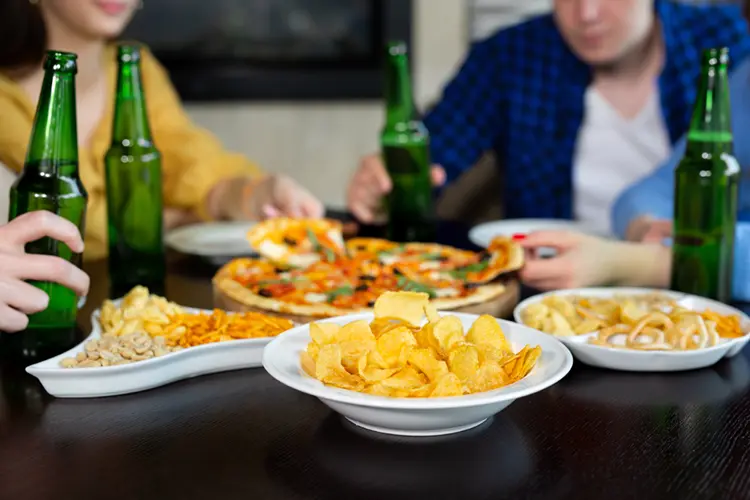
Food is the most commonly identified IBS trigger. Research suggests that up to 84% of IBS patients report symptoms worsened by specific foods. The most evidence-backed framework for understanding food triggers is the FODMAP concept.
High-FODMAP foods
FODMAPs (Fermentable Oligosaccharides, Disaccharides, Monosaccharides and Polyols) are short-chain carbohydrates that are poorly absorbed in the small intestine. They draw water into the bowel and are rapidly fermented by gut bacteria, producing gas, bloating and altered motility. The following are among the most commonly problematic:
| Food category | High-FODMAP examples | FODMAP type |
|---|---|---|
| Vegetables | Onions, garlic, leeks, cauliflower, mushrooms | Fructans, polyols |
| Fruit | Apples, pears, stone fruits (peaches, plums), watermelon | Fructose, polyols |
| Grains | Wheat, rye, barley (in large quantities) | Fructans |
| Dairy | Milk, soft cheese, yogurt (standard), ice cream | Lactose |
| Legumes | Chickpeas, lentils, kidney beans, baked beans | GOS (galacto-oligosaccharides) |
| Sweeteners | Sorbitol, mannitol, xylitol (found in sugar-free products) | Polyols |
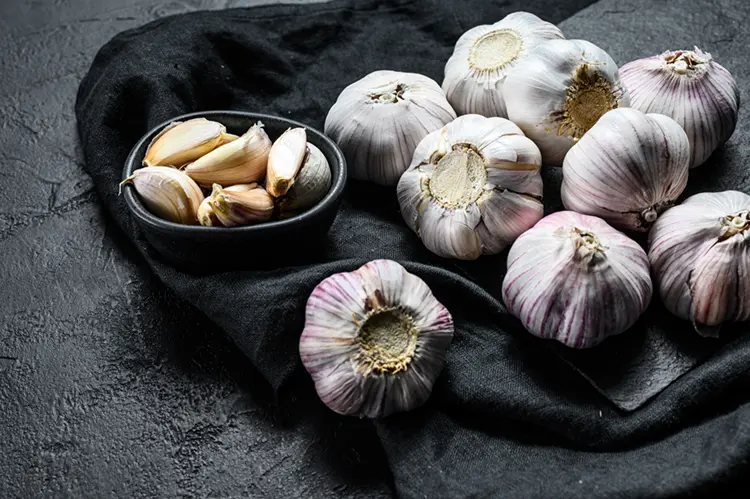
Garlic and onion are consistently among the highest-impact FODMAP triggers. A detailed breakdown of garlic and IBS, including the garlic-infused oil workaround, is covered separately. A full guide to the dietary approach is in our Low-FODMAP Diet Ireland article.
Other food triggers beyond FODMAP
Not all IBS food triggers are explained by FODMAP content. Several other categories are consistently reported:
| Trigger | Mechanism | Most affects |
|---|---|---|
| Fatty / fried foods | Accelerate gastric emptying; exaggerate gastrocolic reflex | IBS-D urgency and cramping |
| Caffeine (especially coffee) | Stimulates colonic motility directly; increases transit speed | IBS-D urgency; may worsen anxiety component |
| Alcohol | Disrupts gut microbiome; increases intestinal permeability | All subtypes; particularly day-after bloating |
| Spicy foods | Capsaicin activates TRPV1 receptors in the gut mucosa | Abdominal pain, urgency, perianal burning |
| Large meal volumes | Exaggerated gastrocolic reflex after large meals | IBS-D post-meal urgency |
| Processed foods / emulsifiers | Emerging evidence of gut barrier disruption and microbiome impact | Bloating, altered transit |
| Carbonated drinks | Gas load increases intestinal distension | Bloating, pain |

Stress and Psychological Triggers
The relationship between stress and IBS is bidirectional and well established in the research literature. Psychological stress activates the hypothalamic-pituitary-adrenal (HPA) axis and the autonomic nervous system, both of which exert direct effects on gut motility, visceral sensitivity and intestinal permeability. In people with IBS, this stress response is amplified compared to those without the condition.
Acute stress — an argument, a work deadline, a difficult conversation — can trigger immediate symptom flares. Chronic stress sustains and worsens the underlying hypersensitivity over time. Anxiety and depression are significantly more prevalent in people with IBS than in the general population, not as causes but as co-occurring conditions that share common neurobiological pathways through the gut-brain axis.
Anticipatory anxiety
A particularly relevant stress pattern in IBS is anticipatory anxiety — worrying about having symptoms in social or public situations, which itself triggers the stress response and produces the symptoms being dreaded. This cycle is one of the mechanisms by which IBS can become increasingly limiting over time if not addressed. Psychological therapies including cognitive behavioural therapy (CBT) and gut-directed hypnotherapy have evidence for breaking this cycle.
Hormonal Triggers
IBS is approximately twice as prevalent in women as in men, and hormonal influences are a significant part of the explanation. IBS symptoms in women frequently fluctuate across the menstrual cycle, with the majority reporting worsening in the premenstrual and menstrual phases.
| Hormonal event | Effect on gut | Symptoms commonly worsened |
|---|---|---|
| Premenstrual phase (late luteal) | Progesterone slows colonic transit | Bloating, constipation, abdominal heaviness |
| Menstruation | Prostaglandins stimulate bowel contractions | Diarrhoea, cramping, urgency |
| Ovulation | Oestrogen peak may affect gut motility | Variable; often a brief worsening |
| Perimenopause / menopause | Declining oestrogen affects gut microbiome and motility | Increased symptom variability; new-onset bloating common |
Prostaglandins — released during menstruation to stimulate uterine contractions — also act on the bowel, increasing motility and often causing a temporary shift toward IBS-D in women who otherwise have IBS-C or mixed IBS. This is a physiological effect rather than a psychological one and is worth tracking in a symptom diary.
Lifestyle Triggers
Several lifestyle factors consistently worsen IBS symptoms or provoke flares, often independently of diet:
| Lifestyle factor | Effect on IBS |
|---|---|
| Poor sleep quality | Lowers pain threshold; increases gut sensitivity and next-day symptom severity |
| Physical inactivity | Reduces gut motility; associated with constipation and bloating |
| Irregular meal timing | Disrupts circadian gut rhythm; prevents migrating motor complex completion |
| Eating too quickly | Reduces digestive efficiency; increases air swallowing and fermentation |
| Antibiotics | Disrupts gut microbiome; associated with IBS onset and flares |
| Gastrointestinal infection | Post-infectious IBS develops in 5–32% of people after gastroenteritis |
| Smoking cessation | Can temporarily worsen bowel habit during withdrawal |
Post-infectious IBS
Post-infectious IBS deserves particular mention because it is often overlooked. A proportion of people who develop IBS can trace its onset to a specific bout of gastroenteritis — a food poisoning event, traveller's diarrhoea, or a norovirus episode. Studies estimate that 5 to 32% of people who experience acute gastroenteritis go on to develop IBS, a figure that remains elevated for months to years after the acute infection has fully resolved. The mechanism involves persistent low-grade gut inflammation, microbiome disruption and altered gut-brain signalling triggered by the initial infection.
How to Identify Your Personal Triggers
Because IBS triggers are highly individual, the most effective approach is systematic self-observation rather than blanket avoidance of all potential triggers. The following framework is practical and evidence-informed:
| Step | What to do | Duration |
|---|---|---|
| 1. Keep a symptom diary | Record food, stress, sleep, activity, bowel habits and symptom severity daily | 2 to 4 weeks |
| 2. Identify patterns | Look for consistent correlations between inputs (food, stress, sleep) and symptom days | Review at week 2 and week 4 |
| 3. Test suspected triggers systematically | Eliminate one suspected trigger at a time for 2 weeks, then reintroduce | 2 weeks per trigger |
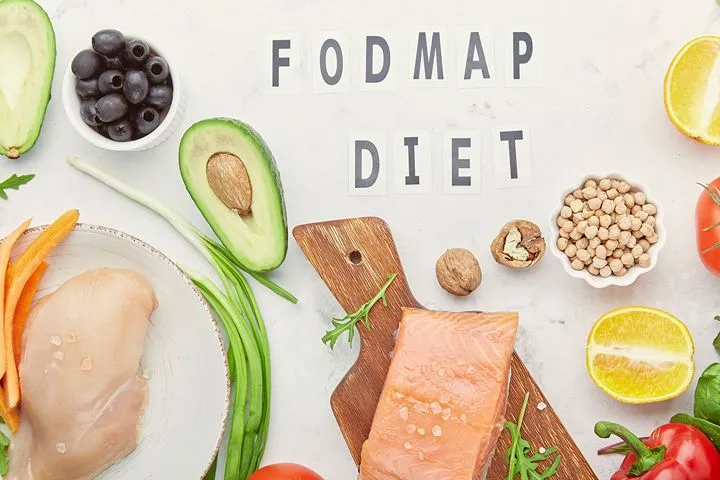
| 4. Trial low-FODMAP diet | If food triggers are prominent but unclear, a structured low-FODMAP elimination and reintroduction identifies specific carbohydrate sensitivities | 6 to 8 weeks with dietitian guidance |
| 5. Address non-food triggers in parallel | Sleep, stress management and meal timing often need addressing alongside dietary changes | Ongoing |
Frequently Asked Questions
The most commonly reported IBS triggers are high-FODMAP foods (including wheat, onions, garlic, certain fruits and lactose), stress and anxiety, fatty or fried foods, caffeine, alcohol, large meal volumes, poor sleep and hormonal changes. Triggers are highly individual — what causes a severe flare in one person may be well tolerated by another. A symptom diary over 2 to 4 weeks is the most reliable way to identify your personal pattern.
Yes. Stress can provoke IBS symptoms directly and independently of diet. The gut-brain axis means that psychological stress has immediate physiological effects on gut motility, intestinal permeability and visceral pain sensitivity. Many people experience symptom flares during stressful periods even when their diet has not changed. Acute stress can trigger a flare within hours; chronic stress sustains the underlying hypersensitivity over time.
A symptom diary is the most practical starting point — recording food intake, stress levels, sleep quality, physical activity, menstrual cycle and bowel habits over 2 to 4 weeks. Patterns often emerge that are not apparent day to day. If food triggers are suspected but unclear, a structured low-FODMAP elimination diet guided by a registered dietitian is the most evidence-based approach to systematic identification.
Yes, for most people with IBS. Garlic is very high in fructans — a type of FODMAP — and is one of the most potent food triggers identified. Even small amounts can provoke significant bloating, gas and cramping. Garlic-infused oil is a practical alternative because fructans are water-soluble and do not transfer into oil during infusion, allowing the flavour without the fermentable carbohydrate load.
Yes. Many women with IBS report worsening symptoms premenstrually and during menstruation. Prostaglandins released during menstruation stimulate bowel contractions, worsening diarrhoea and cramping. Oestrogen and progesterone also influence gut motility and transit time throughout the cycle. Tracking symptoms alongside the menstrual cycle in a diary often reveals a clear pattern.
Yes. Antibiotics disrupt the gut microbiome and are a recognised trigger for both new-onset IBS and flares in people already diagnosed. Post-infectious IBS — developing after a gastrointestinal infection — is also well documented, occurring in 5 to 32% of people after acute gastroenteritis. The disruption to microbiome composition and gut-brain signalling can persist long after the antibiotic course or infection has ended.
Caffeine is a well-recognised IBS trigger for many people. It stimulates colonic motility directly, increasing transit speed and worsening urgency and diarrhoea in IBS-D. Coffee in particular has multiple gut-relevant effects beyond caffeine — its acidity and other bioactive compounds also stimulate motility. If you have IBS-D, trialling a reduction or elimination of caffeine for 2 weeks is a reasonable self-experiment.
Common IBS food triggers include high-FODMAP foods (onions, garlic, wheat, rye, apples, pears, lactose, legumes), fatty and fried foods, caffeine, alcohol, spicy foods, carbonated drinks and very large meals. Processed foods high in emulsifiers and artificial sweeteners (sorbitol, mannitol, xylitol) are also linked to IBS symptoms. That said, triggers are highly individual — blanket avoidance of all of the above is not necessary or practical. A structured elimination approach is more effective than guessing.
IBS.ie
Ireland's dedicated IBS information resource. We provide evidence-based, HSE and PubMed-referenced content on irritable bowel syndrome — covering symptoms, diet, gut health and management. All content is for general information only. Always consult your GP or a qualified specialist for personal medical advice.
Related Articles

Sources & References
Simrén, M., et al. (2001). Food-related gastrointestinal symptoms in the irritable bowel syndrome. Digestion. View on PubMed ↗
Mayer, E.A., et al. (2015). Gut-brain axis and the microbiota. Journal of Clinical Investigation. View on PubMed ↗
Halmos, E.P., et al. (2014). A diet low in FODMAPs reduces symptoms of irritable bowel syndrome. Gastroenterology. View on PubMed ↗
Spiller, R., & Garsed, K. (2009). Post-infectious irritable bowel syndrome. Gastroenterology. View on PubMed ↗
HSE. Irritable Bowel Syndrome. View on HSE.ie ↗
