Garlic and IBS — Why It\'s a Problem and What to Do Instead
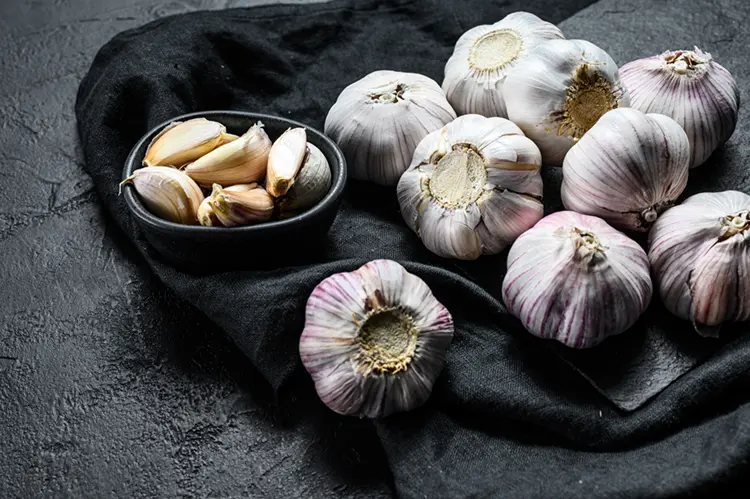
Garlic is one of the most flavourful ingredients in cooking — and one of the most problematic for people with IBS. It sits near the top of the high-FODMAP list, and for good reason: even a small amount can trigger significant bloating, cramping and altered bowel habits in sensitive individuals. But giving up garlic entirely may not be necessary. Garlic-infused oil, certain supplements, and a handful of clever cooking substitutes mean you can retain much of the flavour without the consequences.
Why Garlic Triggers IBS Symptoms
The problem with garlic is not the taste compounds or any general irritant effect — it is a specific type of carbohydrate called fructans. Fructans are chains of fructose molecules that humans cannot digest. Unlike glucose or sucrose, fructans have no enzyme in the human gut capable of breaking them down. They pass through the small intestine largely intact and arrive in the large intestine where gut bacteria ferment them rapidly.
That fermentation produces large amounts of gas — hydrogen, methane and carbon dioxide — in a short period of time. For people with IBS, whose gut is more sensitive to distension and whose motility is already dysregulated, this gas production triggers a cascade of symptoms: bloating, abdominal pain, urgency and diarrhoea or constipation depending on IBS subtype.
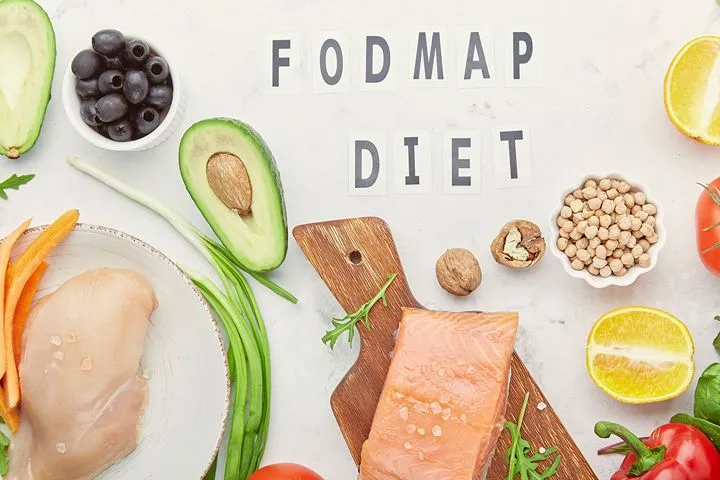
Fructans are one of the five FODMAP groups (Fermentable Oligosaccharides, Disaccharides, Monosaccharides and Polyols) targeted by the low-FODMAP diet — the most evidence-backed dietary intervention for IBS. Garlic is classified by Monash University, the institution that developed the low-FODMAP framework, as high-FODMAP at any serving size. Even a quarter of a clove of garlic exceeds the low-FODMAP threshold.
How Much Garlic is Too Much?
The Monash University FODMAP app provides the most rigorously tested serving size data. The table below summarises garlic's FODMAP status across different preparations:
| Form | Serving | FODMAP Status | Notes |
|---|---|---|---|
| Raw garlic clove | Any amount | High | No safe serving identified |
| Cooked garlic | Any amount | High | Cooking does not reduce fructans |
| Garlic powder | Any amount | High | Concentrated source — avoid |
| Garlic-infused oil | 1 tablespoon | Low | Fructans do not transfer to oil |
| Aged garlic extract | Supplement dose | Variable | Fructan content depends on processing |
One important note: cooking garlic does not make it safe for IBS. Fructans are heat-stable — boiling, roasting or frying garlic does not break down the problematic carbohydrates. Many people assume that well-cooked garlic in a dish is acceptable, but this is not supported by the FODMAP evidence. The fructans remain intact regardless of cooking method.
Garlic-Infused Oil — The Practical Workaround
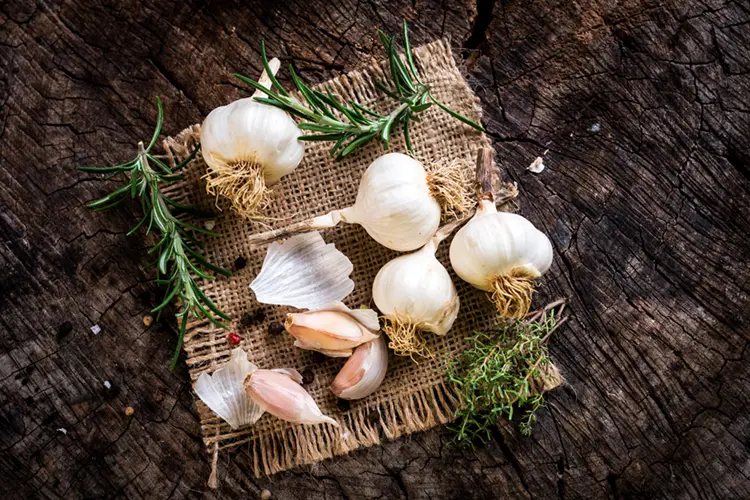
The single most useful substitution for garlic in IBS-friendly cooking is garlic-infused olive oil. This works because of a key biochemical fact: fructans are water-soluble but not fat-soluble. When garlic is steeped in oil, the flavour compounds — primarily allicin and its breakdown products — transfer readily into the oil. The fructans do not. They remain in the garlic solids and do not leach into the oil.
This means that garlic-infused oil delivers the characteristic garlic flavour to a dish without any of the fermentable carbohydrate load. Monash University has tested commercial garlic-infused oils and confirmed they are low-FODMAP at a standard serving of one tablespoon.
Important Food Safety Note
There is an important distinction between commercially produced garlic-infused oil and homemade garlic oil left to steep at room temperature. Garlic submerged in oil creates anaerobic conditions that can support the growth of Clostridium botulinum — the bacterium that produces botulinum toxin. Commercial garlic-infused oils are produced under controlled acidification conditions that prevent this risk. Homemade garlic oil should be made fresh, used immediately, and never stored at room temperature. When buying infused oil, look for commercially produced products with proper acidification or refrigeration requirements on the label.
Garlic Supplements and IBS — What the Evidence Shows
Beyond the cooking substitution question, some people with IBS are interested in garlic supplements for their potential gut health benefits. Garlic has well-documented antimicrobial, prebiotic and cardiovascular properties, and there is ongoing research interest in its effects on the gut microbiome.
The key compound of interest is allicin — an organosulfur compound produced when raw garlic is crushed or chopped. Allicin is responsible for garlic\'s pungent smell and has demonstrated antimicrobial activity against a broad range of gut pathogens, including Helicobacter pylori and several species associated with small intestinal bacterial overgrowth (SIBO) — a condition that overlaps with IBS in a subset of patients.
Types of Garlic Supplement
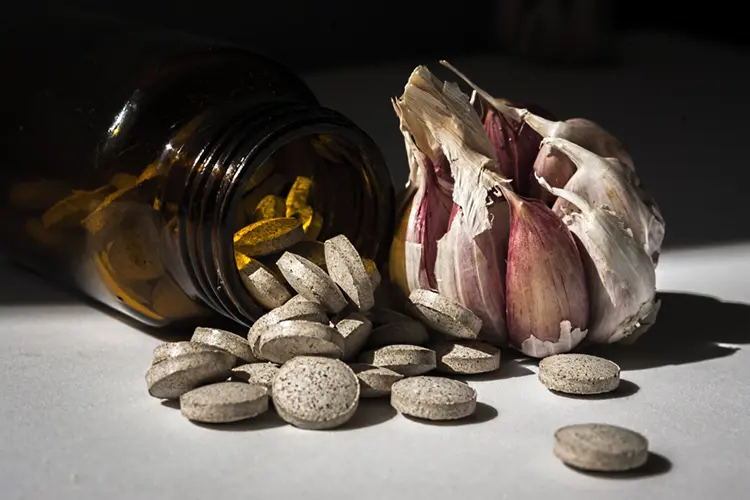
Not all garlic supplements are the same. The main categories and their relevance to IBS are:
- Aged garlic extract (AGE) — produced by long-term cold aging of raw garlic in aqueous ethanol, which converts harsh, unstable compounds into more stable water-soluble organosulfur compounds. The ageing process also substantially reduces fructan content, making AGE potentially more tolerable for people with IBS than raw garlic. AGE has the strongest human clinical trial evidence for cardiovascular and microbiome effects.
- Stabilised allicin supplements — a more recent development. Raw garlic produces allicin only transiently when crushed; it degrades rapidly. Stabilised allicin supplements are designed to deliver intact allicin to the gut. Some practitioners use these specifically for gut dysbiosis and SIBO-type presentations. Fructan content in these products depends on the manufacturing process.
- Garlic oil capsules — essentially concentrated garlic-infused oil in capsule form. As with topical garlic-infused oil, the fructan content is low because fructans do not transfer into the oil phase. These are generally better tolerated by those with IBS than powder-based supplements.
- Garlic powder supplements — the least suitable option for IBS. Garlic powder retains its fructan content and is a concentrated form of a high-FODMAP food.
The specific evidence for garlic supplements in IBS as a condition is limited — there are no large randomised controlled trials of garlic supplementation in IBS populations to date. The rationale for their use is primarily based on their antimicrobial and prebiotic properties, which may benefit the subset of IBS patients with underlying gut dysbiosis or SIBO. If you are considering a garlic supplement for IBS, aged garlic extract or a garlic oil capsule are the most appropriate choices from a FODMAP tolerance perspective.
Garlic Substitutes for IBS-Friendly Cooking
For those who cook regularly with garlic and find elimination difficult, the following low-FODMAP alternatives can replicate the flavour profile in most dishes:
| Substitute | FODMAP Status | Best Used In |
|---|---|---|
| Garlic-infused olive oil | Low | All cooked dishes, dressings, marinades |
| Spring onion (green tops only) | Low | Salads, stir-fries, soups |
| Chives | Low | Cold dishes, eggs, potatoes, dips |
| Asafoetida (hing) | Low (¼ tsp) | Curries, lentil dishes, cooked vegetables |
| Leek (green tops only) | Low | Soups, stews, pasta sauces |
Asafoetida (hing) is particularly worth highlighting. It is a resin derived from the Ferula plant, widely used in Indian cooking as a garlic and onion substitute. In small quantities it has a remarkably similar flavour effect to garlic when cooked in hot oil. It is low-FODMAP at a quarter teaspoon per serving and is available from Asian grocery stores and online.
Garlic and the Gut Microbiome
It is worth acknowledging that the relationship between garlic and gut health is not entirely negative — the same fructans that cause symptoms in IBS also function as prebiotics in people without gut sensitivity. Fructans selectively feed beneficial gut bacteria including Bifidobacterium and Lactobacillus species, promoting a healthier microbiome composition in those who can tolerate them.
This creates an important nuance for IBS management. The low-FODMAP diet removes garlic and other fructan-containing foods during the elimination phase to identify triggers, but the long-term goal is to reintroduce as many of these foods as possible at individually tolerated levels. Not everyone with IBS reacts to garlic at every quantity. The FODMAP reintroduction process — ideally carried out with the guidance of a dietitian — helps identify your personal threshold, which may be higher than you expect.
For a full overview of the low-FODMAP approach and how the reintroduction phase works, see our guide to the low-FODMAP diet in Ireland.
Frequently Asked Questions
Yes, for most people with IBS. Garlic is very high in fructans — a fermentable carbohydrate that passes undigested to the large intestine where it is rapidly fermented by bacteria, producing gas and triggering bloating, cramping and bowel habit changes. It is classified as high-FODMAP by Monash University at any serving size, making it one of the most commonly identified IBS trigger foods.
Yes. Fructans are water-soluble and do not transfer into oil during the infusion process, so garlic-infused oil carries the flavour of garlic without the fermentable carbohydrates that trigger symptoms. Monash University classifies commercial garlic-infused oil as low-FODMAP. Use commercially produced infused oil rather than homemade versions left to steep, due to botulism risk in oil-stored garlic.
No. Fructans are heat-stable and are not broken down by boiling, roasting or frying. Cooked garlic remains high-FODMAP and is just as likely to trigger IBS symptoms as raw garlic. This is a common misconception — the only safe way to get garlic flavour into a cooked dish without the FODMAP load is to use garlic-infused oil.
Some garlic supplements may be tolerable. Aged garlic extract (AGE) and garlic oil capsules are generally better options than garlic powder supplements, as the processing methods used in AGE and the fat-based extraction in garlic oil significantly reduce fructan content. Introduce any new supplement cautiously and monitor your symptoms. Consult your GP before starting supplements, particularly if you are taking medications.
Garlic-infused olive oil is the most versatile and direct substitute — it delivers genuine garlic flavour to any cooked dish. For additional depth, the green tops of spring onions and chives add an allium note without fructans. Asafoetida (hing) is an excellent option for curries and cooked dishes where a stronger garlic-onion flavour is needed — it is low-FODMAP in small quantities and available from Asian grocery stores.
IBS.ie
Ireland's dedicated IBS information resource. We provide evidence-based, HSE and PubMed-referenced content on irritable bowel syndrome — covering symptoms, diet, gut health and management. All content is for general information only. Always consult your GP or a qualified specialist for personal medical advice.
Related Articles

Sources & References
Biesiekierski, J.R., et al. (2018). Fructan rather than gluten elicits symptoms in patients with self-reported non-celiac gluten sensitivity. Gastroenterology. View on PubMed ↗
Monash University FODMAP Diet App. Garlic FODMAP data. View at Monash FODMAP ↗
Borlinghaus, J., et al. (2014). Allicin: Chemistry and Biological Properties. Foods. View on PubMed ↗
Ried, K. (2016). Garlic lowers blood pressure in hypertensive individuals, regulates serum cholesterol, and stimulates immunity. Journal of Nutrition. View on PubMed ↗
HSE. Irritable Bowel Syndrome. View on HSE.ie ↗