Low-FODMAP vs Keto for IBS — and How Low-Carb, Atkins and Fasting Compare

Short answer: the low-FODMAP diet has the strongest evidence for IBS. It has been tested in more than 20 randomised trials and is the diet guidelines recommend when basic advice has not worked. Low-carbohydrate eating, including keto and Atkins, is the closest challenger: a 2024 trial found a low-carb diet worked almost as well as low-FODMAP over four weeks. Intermittent fasting, DASH and low-sodium diets have little or no IBS-specific evidence.
This guide compares the diets people most often weigh up for IBS: what each one cuts out, what the research shows, which IBS type it may suit, and how realistic it is to follow in Ireland.
IBS shares symptoms with coeliac disease, IBD and other conditions that need to be ruled out first. See your GP before starting any restrictive diet, and do not cut out gluten before a coeliac test, as it can give a false negative result. Restrictive diets and fasting are not suitable for everyone. Talk to your GP first if you are pregnant, have diabetes or take medication for blood sugar, or have a history of an eating disorder.
The Diets at a Glance
| Diet | What it cuts | IBS evidence | How long | May suit |
|---|---|---|---|---|
| Low-FODMAP | Specific fermentable carbs: onion, garlic, wheat, legumes, lactose, some fruit and sweeteners | Strong: 20+ randomised trials, recommended by guidelines | 2–6 weeks strict, then reintroduce | All subtypes, especially bloating and pain |
| Low-carb (around 100g carbs or less a day) | Most starch and sugar: bread, pasta, rice, potatoes, sweets | Moderate: one large randomised trial (2024) | Ongoing, if tolerated | IBS-D and IBS-M; fibre needs attention for IBS-C |
| Keto (under 20–50g carbs a day) | Almost all carbohydrate, including most fruit and many vegetables | Limited: one small uncontrolled study, plus animal research | Usually weeks to months | IBS-D; often worsens IBS-C |
| Atkins | Starts at keto level (about 20g carbs), then adds carbs back gradually | No Atkins-specific IBS trials | Phased, long-term | As for keto in the first phase, then as for low-carb |
| Intermittent fasting (e.g. 16:8) | Nothing specific; limits when you eat | Early: one uncontrolled pilot study | Flexible | Uncertain; can be combined with other diets |
| DASH / low-sodium | Salt, processed food, saturated fat | None found for IBS | Long-term | Designed for blood pressure, not IBS |
Low-FODMAP — The Diet With the Most Evidence
FODMAPs are short-chain carbohydrates that are poorly absorbed in the small intestine. They draw water into the bowel and are quickly fermented by gut bacteria, producing gas. In people with IBS, whose gut is often more sensitive to stretching, that causes bloating, pain and changes in bowel habit.
The diet has three phases: a strict elimination phase of two to six weeks, a reintroduction phase where FODMAP groups are tested one at a time, and a long-term personalised phase where you eat as widely as your triggers allow. It is not meant to be followed strictly forever.
The evidence is the deepest of any IBS diet. A 2022 network meta-analysis in Gut compared the low-FODMAP diet with other dietary approaches across 13 trials and ranked it first for overall symptoms, abdominal pain and bloating. A larger 2025 analysis in The Lancet Gastroenterology & Hepatology pooled 28 trials of 11 different diets. Low-FODMAP was the most studied by far, with 24 trials, and the authors concluded it has the most evidence behind it. Our Irish guide to the low-FODMAP diet covers each phase in detail.
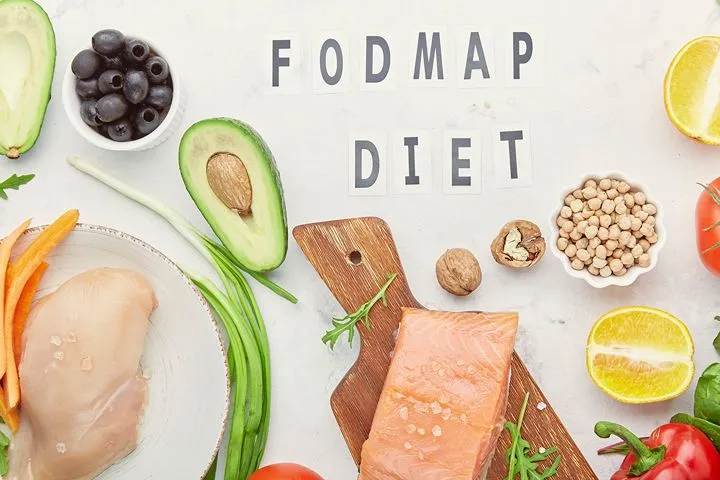
Downsides: it is complicated, works best with a dietitian, and the strict phase reduces prebiotic fibre and can lower some beneficial gut bacteria if it is followed for too long. That is why reintroduction matters.
Low-Carb vs Low-FODMAP — The 2024 Head-to-Head Trial
Until recently, the case for low-carb eating in IBS rested mostly on anecdote and the obvious overlap with low-FODMAP. That changed with the CARBIS trial, published in The Lancet Gastroenterology & Hepatology in 2024.
Researchers at Sahlgrenska University Hospital in Gothenburg randomly assigned 294 adults with moderate-to-severe IBS to one of three four-week treatments:
| Group | Improved at 4 weeks | Still improved at 6 months |
|---|---|---|
| Low-FODMAP plus traditional IBS dietary advice | 76% | 68% |
| Low-carbohydrate, higher-protein and higher-fat diet (fibre-optimised) | 71% | 60% |
| Optimised medication for the main symptom | 58% | Not compared |
"Improved" meant a drop of at least 50 points on the IBS Symptom Severity Score, a standard measure of clinically meaningful change. Both diets beat medication, and the low-carb diet came close to low-FODMAP.
Three details matter. First, this was a strict low-carb diet: about 10% of calories came from carbohydrate and around two-thirds from fat, which is close to ketogenic territory. That makes it the best human evidence so far on keto-style eating for IBS. Second, it was fibre-optimised. It was not a zero-vegetable diet, and that probably helped. Third, the lead researcher pointed to worse blood lipid levels in some low-carb participants as an area for caution, and the team recommended more trials before the diet is used routinely in clinics.
A related approach, the starch- and sucrose-reduced diet developed in Sweden, cuts starch and added sugar rather than all carbohydrate. In the 2025 Lancet analysis it ranked first for overall IBS symptoms. That result came from only two trials with 217 people, so it needs confirming, but it adds to the signal that reducing starch and sugar helps many people with IBS.
Keto vs Low-FODMAP
A ketogenic diet restricts carbohydrate to roughly 20–50g a day, low enough for the body to burn fat and produce ketones instead of relying on glucose. Because wheat, legumes, most fruit and milk are too high in carbohydrate, keto removes most of the major FODMAP sources as a side effect.
The only human IBS study of a ketogenic-level diet was published in 2009. Seventeen people with IBS-D ate a diet of 20g of carbohydrate a day for four weeks, with all meals provided. Thirteen completed it and all thirteen met the study's definition of adequate symptom relief. Ten of them (77%) reported relief in every one of the four weeks. Stool frequency roughly halved and stool consistency moved from diarrhoea towards normal. The study was small and had no control group, so it cannot separate the effect of ketosis from the effect of cutting FODMAPs.
The CARBIS low-carb diet above, at about 10% of calories from carbohydrate, is the closest larger trial. Beyond that, the evidence is animal research, covered in our article on the ketogenic diet and IBS. It is interesting, but it is not yet proof in people.
Where keto and low-FODMAP differ
| Food | Low-FODMAP | Keto |
|---|---|---|
| Rice, potatoes, oats | Allowed | Excluded |
| Blueberries, strawberries, kiwi, oranges | Allowed in normal portions | Very limited |
| Sourdough spelt bread | Allowed in small portions | Excluded |
| Avocado | Small portion only (about 30g) | Staple food |
| Cauliflower | Very small portion only | Staple food |
| Cashews and pistachios | Avoid | Allowed |
| Sugar-free sweets with sorbitol, mannitol or xylitol | Avoid | Often used |
| Onion and garlic in sauces and seasonings | Avoid | Often present |
| Hard cheese, eggs, meat, fish, olive oil | Allowed | Allowed |
This is why some people on keto still get IBS flares. Cauliflower rice, generous avocado, cashew snacks and "keto" bars sweetened with polyols are all common keto foods and all potential IBS triggers. Garlic and onion powder in keto sauces and spice blends are another frequent cause.
Constipation is one of the most common side effects of keto, and it can make IBS-C noticeably worse. If you have IBS-C and want to cut carbohydrates, a moderate low-carb approach that keeps low-FODMAP fibre sources such as chia seeds, kiwi and leafy greens is a better fit than strict keto. The CARBIS low-carb diet was deliberately fibre-optimised.
Atkins vs Low-FODMAP
Atkins is a branded low-carbohydrate weight-loss diet. Its strict first phase limits carbohydrate to around 20g a day, the same level as the 2009 IBS study above. Later phases add carbohydrate back gradually until weight stops falling.
For IBS, that means the first phase behaves much like keto and the later phases behave like a general low-carb diet. There are no trials of Atkins specifically for IBS. The key difference from low-FODMAP is the reintroduction logic. Atkins adds carbohydrates back by quantity to manage weight, while low-FODMAP adds them back by FODMAP type to find out what triggers your symptoms. If you are on Atkins and your gut reacts when you move up a phase, the type of carbohydrate you added, such as wheat, beans or certain fruit, is the useful clue.
Intermittent Fasting vs Low-FODMAP
Intermittent fasting does not restrict any food. It limits the hours you eat in, most commonly 16:8, with a 16-hour fast and an 8-hour eating window. The idea for IBS is that longer gaps between meals let the gut's "cleaning wave", the migrating motor complex, run more fully, and that fewer eating occasions mean fewer triggers for symptoms. Our article on fasting, meal timing and IBS explains how this works.
The most relevant study is a Norwegian pilot published in Nutrients in 2026. Of 134 people with IBS who started an eight-week 16:8 programme, 97 completed it. Their IBS Symptom Severity Score fell by an average of about 100 points, with improvement across IBS-C, IBS-D and IBS-M. The authors describe the results as preliminary. There was no control group and the study was registered after data collection, so expectation and natural improvement over time may explain part of the effect.
Fasting and low-FODMAP are not really competitors. One changes when you eat, the other changes what you eat, and they can be combined. People with IBS-D who get urgent symptoms after meals sometimes find fewer, planned meals easier to manage. Fasting is not suitable for people with a history of eating disorders, those who are pregnant, or anyone on diabetes medication without medical advice.
DASH, Low-Sodium and Other Diets People Compare
DASH and low-sodium diets were developed to lower blood pressure. We found no trials testing them for IBS symptoms. DASH also encourages beans, lentils, whole grains, apples and other foods that are high in FODMAPs, so following it without adjustment could increase bloating for some people with IBS. Cutting salt and processed food is good general advice, but it is not an IBS treatment.
The Mediterranean diet has the strongest recent evidence among general healthy-eating patterns. A 2025 UK trial of 139 people, published in the Annals of Internal Medicine, found it outperformed standard first-line IBS dietary advice over six weeks. Because it includes pulses, onion, garlic and wholegrains, people sensitive to those foods may need to adjust it.
Macro counting, the Zone diet, alkaline diets and pescatarian diets have not been tested in IBS. If one of them helps you, the most likely reason is that it happened to reduce your personal trigger foods, such as wheat, onion, legumes or large fatty meals.
Combining Approaches
The diets above are not mutually exclusive, and many people end up with a blend:
- Low-FODMAP keto: keto with low-FODMAP portion limits on avocado, cauliflower, nuts and sweeteners, and no onion or garlic. It is very restrictive and best kept short-term.
- Low-FODMAP with time-restricted eating: low-FODMAP food choices eaten within a regular daily window. Regular meal times are already part of standard IBS advice.
- Moderate low-carb after reintroduction: once low-FODMAP testing has shown your triggers, some people settle into lower-carbohydrate eating built around the foods they tolerate. That is close to what the CARBIS low-carb group ate.
For a practical list of foods that work across most of these approaches, see the best foods for IBS. Eggs, oily fish, poultry, hard cheese, spinach, courgette, peppers and garlic-infused olive oil fit low-FODMAP, keto and low-carb eating alike.
Which Diet Should You Try First?
| Your situation | Reasonable starting point |
|---|---|
| Newly diagnosed and have not changed your diet yet | General IBS advice: regular meals, less caffeine, alcohol, fatty and spicy food, and adjusting fibre |
| General advice has not helped; bloating and pain are the main problems | Low-FODMAP, ideally with a dietitian |
| IBS-D, and you also want to lose weight or find low-FODMAP too complicated | A fibre-optimised low-carb diet, discussed with your GP or dietitian |
| IBS-C | Low-FODMAP with attention to soluble fibre; avoid strict keto |
| Already on keto or Atkins and still having symptoms | Check for high-FODMAP keto foods (cauliflower, avocado, cashews, polyol sweeteners, onion and garlic powder) |
Getting Dietary Help in Ireland
Your GP is the starting point. They can rule out other conditions and refer you to a dietitian through the public system, although waiting times vary by area. Private dietitians who specialise in gut health can be found through the Irish Nutrition and Dietetic Institute. The Monash University FODMAP app is the most reliable reference for FODMAP portion sizes.
All of these diets are practical to follow from Irish supermarkets. Eggs, fish, chicken, hard cheese, rice, potatoes, oats and most low-FODMAP vegetables are easy to find in Tesco, Dunnes, SuperValu, Lidl and Aldi. The usual problem in Ireland, whichever diet you choose, is hidden onion and garlic in stock cubes, sauces, sausages and ready meals, so it is worth reading labels.

Frequently Asked Questions
Low-FODMAP has far stronger evidence. It has been tested in more than 20 randomised trials and is the diet recommended by gastroenterology guidelines when first-line advice has not worked. Keto has only one small human study in IBS-D, with no control group. However, a 2024 Swedish trial found that a low-carbohydrate diet worked almost as well as low-FODMAP over four weeks (71% vs 76% of people responding), so carbohydrate restriction in general does look helpful for many people with IBS.
Not exactly, but the two overlap heavily. Keto removes wheat, legumes, most fruit and milk because they are high in carbohydrate, and those are also the main high-FODMAP foods. Some keto staples are still high-FODMAP in normal portions, such as larger servings of avocado, cauliflower, cashews and some sugar-free sweeteners. And many low-FODMAP foods, such as rice, potatoes, oats and most low-FODMAP fruit, do not fit on keto.
The evidence is encouraging. In the 2024 CARBIS trial in Gothenburg, 71% of people with moderate-to-severe IBS improved meaningfully after four weeks on a fibre-optimised low-carbohydrate diet, compared with 58% on optimised medication. The researchers noted worse blood lipid levels in some people on the low-carb diet and called for more trials before it is used routinely.
Atkins is a low-carbohydrate weight-loss diet. Its strict first phase limits carbohydrate to around 20g a day, which removes most high-FODMAP foods as a side effect. Low-FODMAP is a gut-specific diet that removes only the fermentable carbohydrates that trigger IBS symptoms, then reintroduces them one group at a time to find your personal triggers. Atkins has no reintroduction phase designed around IBS.
There is not enough evidence to say so. A 2026 Norwegian pilot study of 16:8 time-restricted eating reported a large average drop in IBS symptom scores over eight weeks, but it had no control group. Low-FODMAP is backed by many randomised trials. Fasting changes when you eat rather than what you eat, so the two can be combined.
They were not designed for IBS. DASH and low-sodium diets target blood pressure, and we found no trials testing them for IBS symptoms. DASH also encourages beans, whole grains and fruit, which include many high-FODMAP foods, so it may make bloating worse for some people with IBS.
Yes. Low-FODMAP keto means following a ketogenic diet while also keeping avocado, cauliflower, nuts and sweeteners within low-FODMAP portions and avoiding onion and garlic in sauces and seasonings. It is very restrictive, so it is best done for a limited time and with a dietitian's help, and it is not suitable for IBS-C if fibre drops too low.
Guidelines in Ireland and the UK start with general dietary advice: regular meals, less caffeine, alcohol, fatty and spicy food, and adjusting fibre. If that does not work, the low-FODMAP diet, ideally with a dietitian, has the strongest evidence. Low-carbohydrate eating is a reasonable alternative to discuss with your GP or dietitian, especially for IBS-D or if you also want to lose weight.
IBS.ie
Ireland's dedicated IBS information resource. We provide evidence-based, HSE and PubMed-referenced content on irritable bowel syndrome — covering symptoms, diet, gut health and management. All content is for general information only. Always consult your GP or a qualified specialist for personal medical advice.
Related Articles
Sources & References
Nybacka, S., et al. (2024). A low FODMAP diet plus traditional dietary advice versus a low-carbohydrate diet versus pharmacological treatment in irritable bowel syndrome (CARBIS): a single-centre, single-blind, randomised controlled trial. The Lancet Gastroenterology & Hepatology, 9(6), 507–520. View on PubMed ↗
Black, C.J., Staudacher, H.M. & Ford, A.C. (2022). Efficacy of a low FODMAP diet in irritable bowel syndrome: systematic review and network meta-analysis. Gut, 71(6), 1117–1126. View on PubMed ↗
Cuffe, M.S., Staudacher, H.M., Aziz, I., et al. (2025). Efficacy of dietary interventions in irritable bowel syndrome: a systematic review and network meta-analysis. The Lancet Gastroenterology & Hepatology, 10(6), 520–536. View article ↗
Halmos, E.P., et al. (2014). A diet low in FODMAPs reduces symptoms of irritable bowel syndrome. Gastroenterology. View on PubMed ↗
Austin, G.L., et al. (2009). A very low-carbohydrate diet improves symptoms and quality of life in diarrhea-predominant irritable bowel syndrome. Clinical Gastroenterology and Hepatology, 7(6), 706–708. View on PubMed ↗
Thompson Clausen, M., et al. (2026). Time-restricted eating and symptom severity in irritable bowel syndrome: results from a pilot study. Nutrients, 18, 765. View article ↗
Bamidele, J.O., et al. (2025). The Mediterranean diet for irritable bowel syndrome: a randomized clinical trial. Annals of Internal Medicine, 178(12), 1709–1717. View on PubMed ↗
HSE. Irritable bowel syndrome (IBS). View on HSE.ie ↗
